Colorado winters place tremendous stress on concrete driveways. Throughout Castle Rock and surrounding Front Range communities,
driveways are exposed to snow accumulation, freezing temperatures, ice buildup, moisture intrusion, and repeated freeze-thaw cycles for months at a time. These environmental conditions can gradually weaken concrete surfaces and contribute to cracking if homeowners do not take preventative steps before and during winter.
Many
driveway cracks that become visible after winter actually begin long before snow season arrives. Small surface fractures, worn expansion joints, poor drainage, and unsealed concrete may all allow moisture to penetrate beneath the surface. Once temperatures drop, trapped water freezes and expands, creating internal pressure that gradually enlarges cracks and weakens the surrounding concrete.
Creteworx regularly works with homeowners throughout Colorado, dealing with winter-related driveway cracking caused by moisture intrusion and freeze-thaw stress. From firsthand experience in concrete installation and repair projects, one of the most effective ways to reduce winter driveway damage is addressing small maintenance concerns early, before freezing weather intensifies them.
According to the American Concrete Institute, freeze-thaw cycles are one of the leading causes of concrete deterioration in colder climates. Water absorbed into concrete pores and cracks expands as it freezes, placing stress on the slab during each freeze-thaw cycle. Over time, this repeated movement can contribute to cracking, scaling, joint separation, and surface deterioration.
Colorado’s climate creates especially challenging conditions because temperatures frequently fluctuate above and below freezing during the winter months. Snow and ice may partially melt during sunny daytime conditions before refreezing overnight, causing continuous expansion and contraction throughout the driveway surface.
Understanding how winter cracking develops — and learning proactive ways to reduce freeze-thaw stress — can help homeowners protect their driveways while extending long-term concrete
durability.
The Four Best Ways to Prevent Concrete Driveway Cracks During Winter
1. Repair Small Cracks Before Winter Begins
One of the most important preventative maintenance steps is
repairing small cracks before freezing temperatures arrive.
Even minor openings in the concrete may allow:
- Water intrusion
- Soil moisture penetration
- Expansion-related stress
- Freeze-thaw pressure beneath the slab
From practical contractor experience, untreated cracks often worsen significantly during Colorado winters because trapped moisture repeatedly freezes and expands inside the concrete.
Homeowners should inspect the driveway for:
- Hairline cracks
- Surface pitting
- Corner cracking
- Joint separation
- Small scaling areas
According to the Portland Cement Association, minimizing moisture infiltration is one of the most effective ways to reduce freeze-thaw damage in concrete surfaces.
Addressing cracks early may help prevent:
- Widening fractures
- Surface flaking
- Joint deterioration
- Moisture-related slab movement
- Larger structural repairs later
Professional evaluations may also identify whether cracking is cosmetic or related to underlying drainage or settling concerns beneath the driveway.
2. Seal the Concrete Before Freeze-Thaw Season
Proper sealing is one of the best ways to help protect concrete driveways from winter moisture intrusion.
Concrete sealers create a protective barrier that helps reduce:
- Water absorption
- Surface permeability
- Freeze-thaw stress
- Surface scaling
- Deicing chemical penetration
From firsthand maintenance experience,
unsealed concrete often absorbs moisture more easily during winter storms, increasing cracking risks over time.
Homeowners should ideally seal driveways before temperatures become consistently cold because sealers generally perform best when applied under:
- Dry conditions
- Moderate temperatures
- Stable weather patterns
According to the National Ready Mixed Concrete Association, sealing concrete surfaces may help improve long-term durability in freeze-thaw climates.
Signs a driveway may need resealing include:
- Water soaking into the surface quickly
- Surface fading
- Increased dryness or brittleness
- Decorative finish wear
- Visible sealer breakdown
Proper surface preparation before sealing is also important because sealing over untreated cracks or moisture problems may allow underlying deterioration to continue.
3. Improve Drainage to Reduce Moisture Buildup
Drainage plays a major role in preventing winter concrete cracking.
Water pooling on or near the driveway increases freeze-thaw stress because moisture repeatedly freezes and expands during colder weather.
From practical installation and repair experience, poor drainage commonly contributes to:
- Crack development
- Surface scaling
- Joint deterioration
- Uneven slab movement
- Soil erosion beneath the driveway
Homeowners should monitor for:
- Puddles remaining after storms
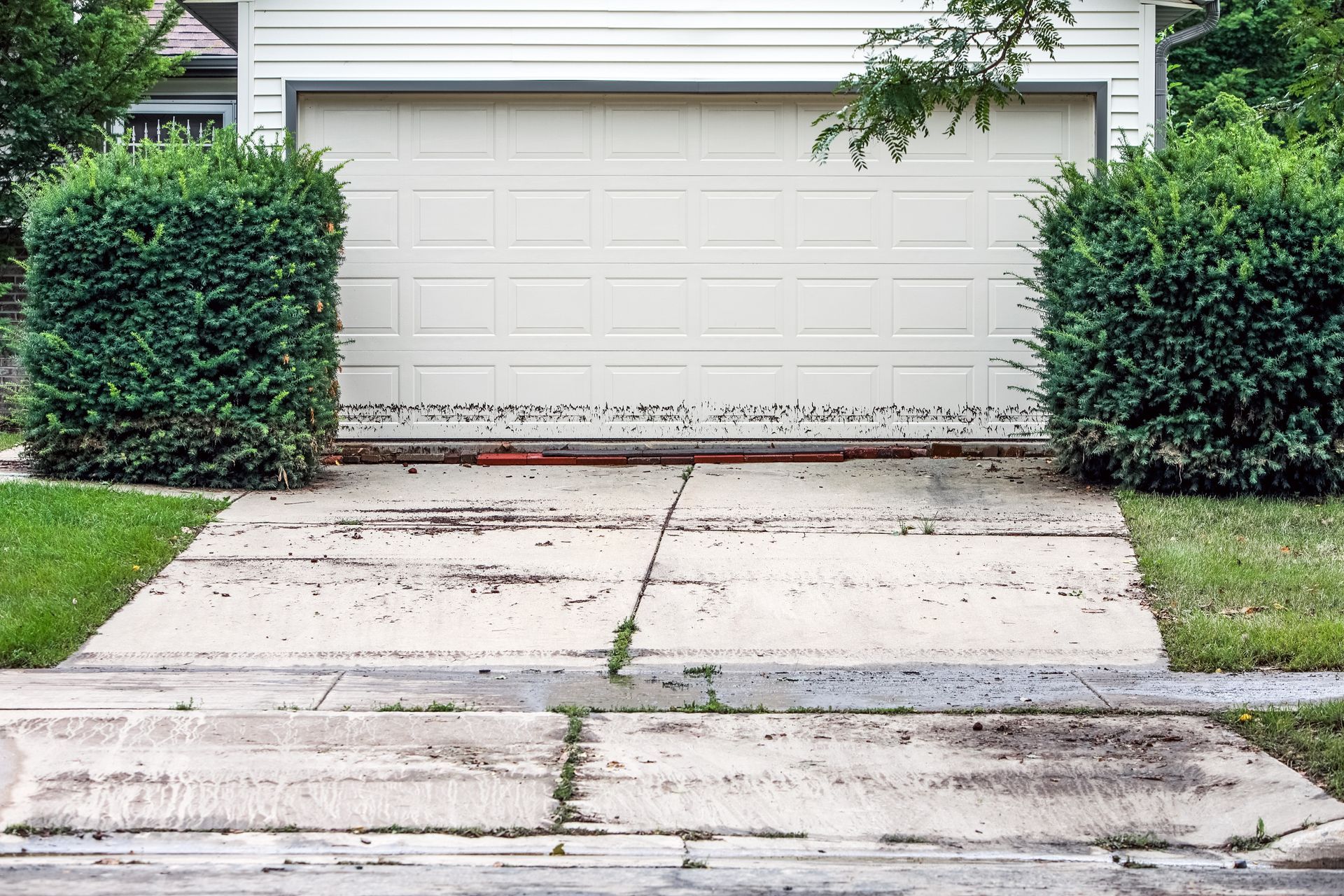
- Water flowing toward the garage
- Ice forming in low areas
- Erosion near slab edges
- Downspouts draining near the driveway
Colorado’s repeated freeze-thaw cycles can rapidly worsen existing drainage problems if water continues collecting around the slab throughout winter.
Potential improvements may include:
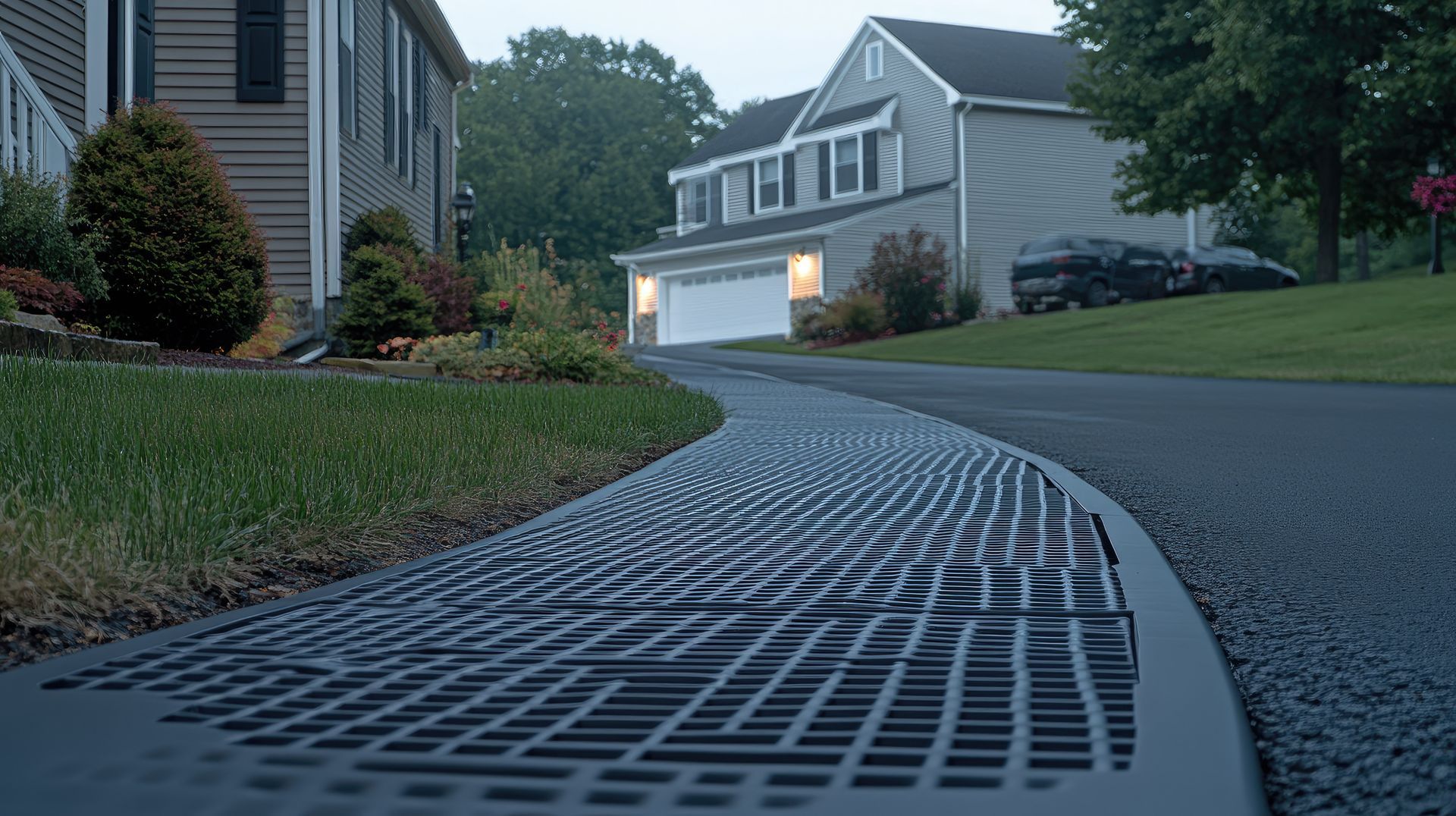
- Redirecting downspouts
- Improving driveway slope
- Repairing low spots
- Clearing drainage pathways
- Adjusting irrigation systems before winter
According to the American Concrete Institute, effective drainage planning is critical for preserving concrete performance in cold-weather environments.
Managing moisture around the driveway helps reduce long-term stress on both the concrete surface and supporting soils beneath the slab.
4. Use Proper Winter Maintenance Practices
Daily winter maintenance habits also play an important role in reducing driveway cracking risks.
From firsthand contractor observation, improper snow and ice management often contributes to:
- Surface wear
- Scaling
- Decorative finish damage
- Joint deterioration
- Moisture retention
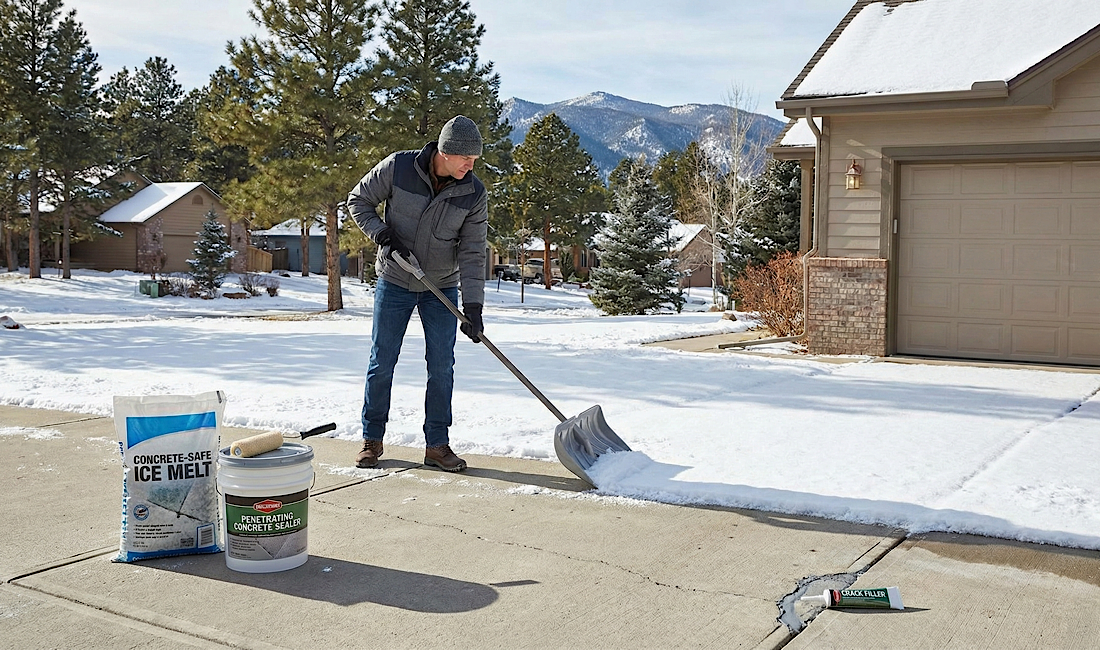
Homeowners should remove snow promptly whenever possible to reduce repeated melting and refreezing cycles on the driveway surface.
Careful snow removal techniques are important because aggressive scraping with metal shovels or plows may damage vulnerable concrete areas.
Homeowners should also use deicing products carefully.
Some harsh deicing chemicals may increase surface deterioration or scaling over time, especially on older or improperly sealed driveways.
Best winter maintenance practices may include:
- Using concrete-safe deicers
- Avoiding excessive salt buildup
- Cleaning debris from joints regularly
- Monitoring cracks throughout winter
- Removing standing water quickly when possible
Routine inspections during winter can also help homeowners identify developing issues before they become larger structural problems.
Frequently Asked Questions About Winter Concrete Cracking
Why do concrete driveways crack more during winter?
Moisture entering cracks or porous concrete freezes and expands during cold temperatures, creating pressure that contributes to cracking over time.
Can small cracks become worse during freeze-thaw cycles?
Yes. Even small openings may widen significantly as trapped moisture repeatedly freezes and expands.
Does sealing help prevent winter driveway damage?
Yes. Sealing helps reduce moisture penetration and freeze-thaw stress within the concrete surface.
How does drainage affect winter cracking?
Standing water and poor runoff increase moisture exposure, which may accelerate freeze-thaw damage and cracking.
What is the best time to prepare a driveway for winter?
Early fall is often ideal for inspections, crack repair, sealing, and drainage improvements before freezing temperatures arrive.
For homeowners throughout Castle Rock and surrounding Colorado communities, preventing winter concrete cracking requires proactive maintenance, proper drainage management, and early moisture control before freeze-thaw conditions intensify existing vulnerabilities. Addressing small concerns before winter arrives can help reduce costly repairs while extending the lifespan of concrete driveways.
Creteworx provides professional concrete driveway installation, crack repair, sealing, and maintenance services tailored specifically for Colorado’s demanding winter climate conditions. By combining experienced craftsmanship, preventative maintenance strategies, and long-term drainage solutions, homeowners can better protect their driveways from freeze-thaw cracking, moisture intrusion, and seasonal deterioration year after year.