Colorado winters can be especially demanding on
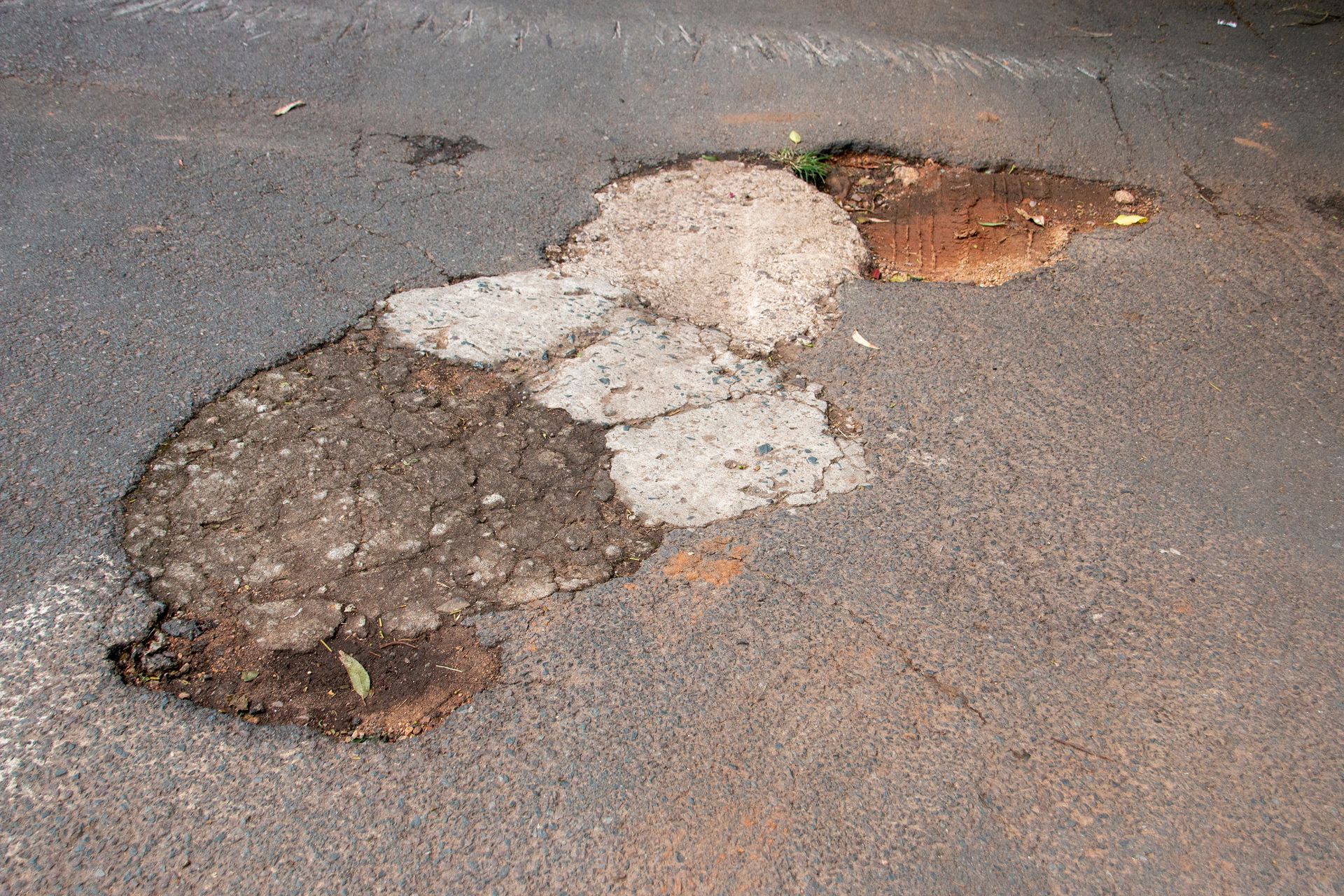
concrete driveways. Between freezing temperatures, snow accumulation, ice melt, moisture intrusion, and repeated freeze-thaw cycles, concrete surfaces throughout Castle Rock and surrounding Front Range communities experience constant environmental stress during colder months. While many homeowners focus on snow removal after storms arrive, proper winter preparation before temperatures drop is one of the most effective ways to reduce cracking, surface deterioration, and long-term driveway damage.
Small issues that seem minor during late summer or early fall often become much more serious once freezing weather begins. Moisture enters cracks and joints, water freezes and expands, and repeated temperature swings gradually increase stress throughout the slab. Without preventative maintenance, winter conditions can accelerate deterioration that may have taken years to develop otherwise.
Creteworx regularly works with homeowners throughout Colorado who want to protect their concrete driveways from winter-related damage before snow season begins. From firsthand experience in concrete installation and repair projects, one of the biggest mistakes homeowners make is waiting until visible winter damage appears before addressing maintenance concerns. Preventive preparation is often far less expensive and more effective than major repairs after freeze-thaw damage develops.
According to the American Concrete Institute, moisture management and surface maintenance are critical for preserving
concrete durability in cold-weather climates. Water that penetrates cracks, joints, or porous concrete surfaces may freeze and expand repeatedly during winter, contributing to cracking, scaling, and structural stress over time.
Colorado’s climate creates additional challenges because temperatures often fluctuate rapidly above and below freezing within short periods. This repeated freezing and thawing cycle places continuous pressure on concrete surfaces throughout winter.
Understanding how to prepare a driveway before winter weather arrives can help homeowners reduce long-term deterioration while extending the lifespan of their concrete surfaces.
The Four Most Important Steps to Prepare a Concrete Driveway for Winter
1. Repair Small Cracks Before Freezing Temperatures Arrive
One of the most important winter preparation steps is identifying and repairing small cracks before moisture begins freezing inside them.
Concrete naturally expands and contracts throughout the year, and even minor cracks may allow water to penetrate beneath the surface. Once temperatures drop, trapped moisture freezes and expands, gradually forcing cracks to widen.
From practical contractor experience, many
major driveway repairs begin as small untreated cracks homeowners ignored before winter.
Homeowners should inspect the driveway for:
- Hairline surface cracks
- Joint separation
- Corner cracking
- Surface pitting
- Minor scaling areas
Common risks associated with untreated cracks include:
- Freeze-thaw expansion damage
- Surface deterioration
- Water intrusion beneath the slab
- Soil erosion under the driveway
- Accelerated joint failure
According to the Portland Cement Association, controlling moisture intrusion is one of the most effective ways to improve long-term concrete durability.
Addressing cracks early may help reduce:
- Winter moisture penetration
- Expansion-related damage
- Surface weakening
- Larger structural repairs later
Professional inspections can also help determine whether cracking is cosmetic or related to larger drainage or settling concerns.
2. Clean the Driveway Thoroughly Before Snow Season
Proper cleaning is another important part of winter driveway preparation.
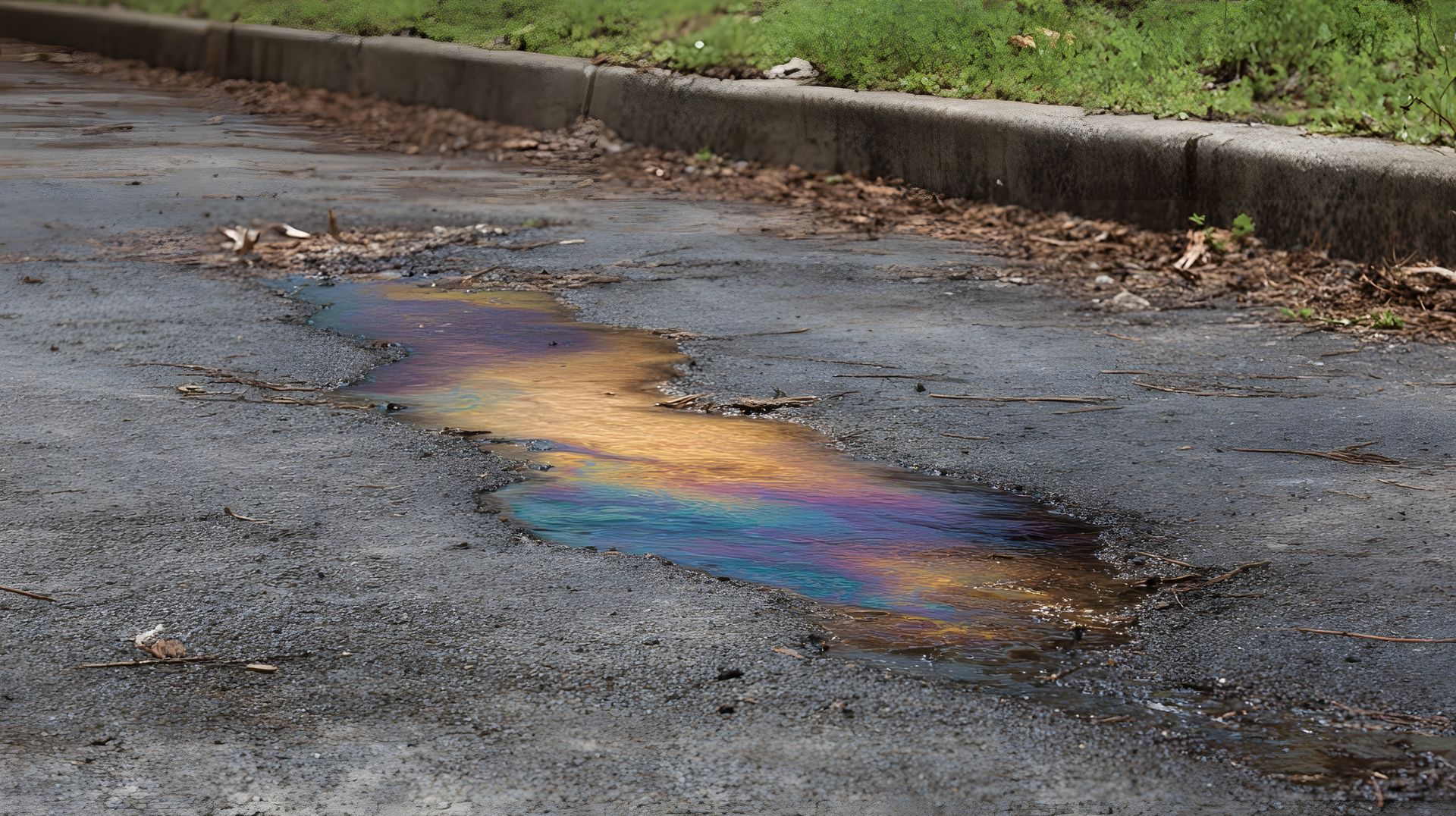
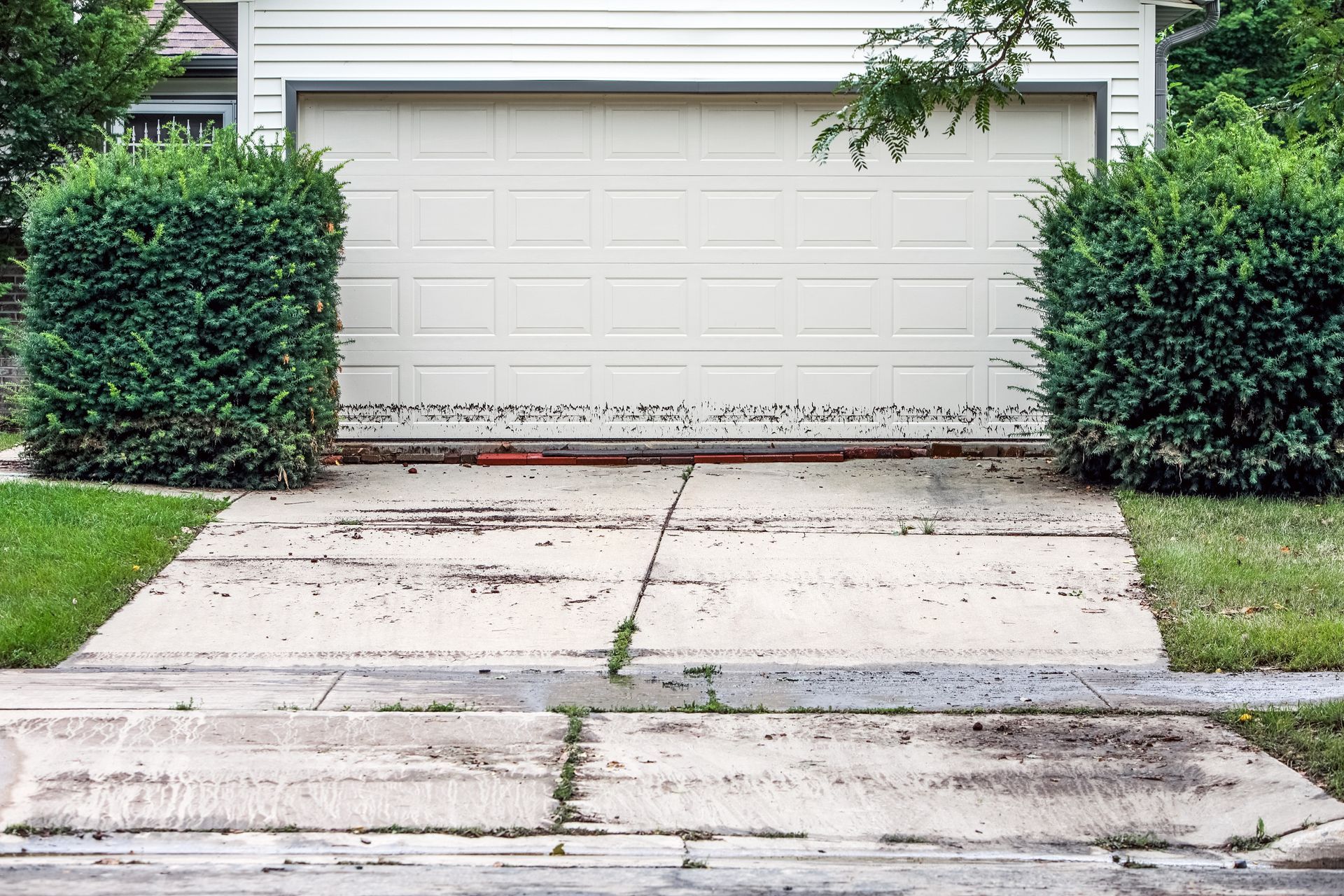
Leaves, dirt, automotive fluids, organic debris, and buildup around expansion joints can trap moisture against the concrete surface and increase winter deterioration risks.
From firsthand maintenance experience, neglected debris often contributes to:
- Moisture retention
- Surface staining
- Joint blockage
- Freeze-thaw stress near vulnerable areas
Homeowners should clean:
- Expansion joints
- Drainage channels
- Driveway edges
- Garage transition areas
- Low spots where debris collects
Routine cleaning may help improve:
- Drainage performance
- Surface drying
- Joint function
- Snow removal efficiency during winter storms
Properties surrounded by mature trees or landscaping may require additional attention because leaf accumulation and organic debris often hold moisture against the slab longer during colder weather.
Removing buildup before winter also helps homeowners identify developing cracks or drainage issues more easily before snow and ice cover the surface.
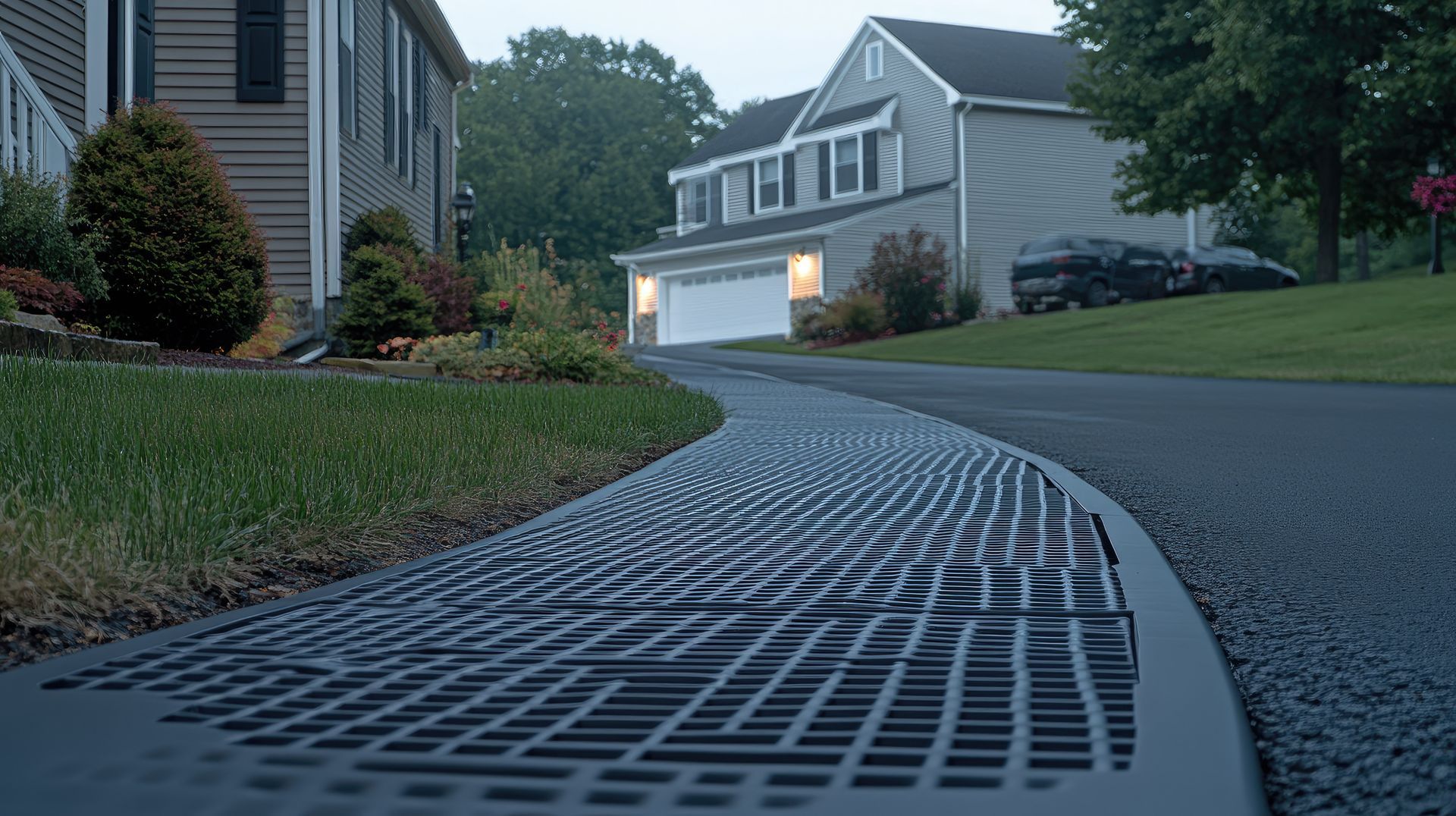
3. Evaluate Drainage and Water Runoff Around the Driveway
Water management becomes especially important before freeze-thaw season begins.
Standing water near the driveway may increase risks of:
- Surface cracking
- Ice formation
- Soil erosion
- Slab movement
- Edge deterioration
From practical installation and repair experience, many winter driveway problems are directly related to unresolved drainage issues.
Homeowners should monitor for:
- Puddles remaining after storms
- Downspouts draining near the slab
- Irrigation oversaturation
- Water flowing toward the garage
- Erosion near driveway edges
Colorado’s repeated freeze-thaw cycles can rapidly worsen existing drainage concerns because moisture trapped beneath or beside the slab expands as it freezes.
According to the National Ready Mixed Concrete Association, proper drainage planning plays a major role in preserving concrete stability and reducing moisture-related stress.
Potential drainage improvements may include:
- Redirecting downspouts
- Improving grading
- Repairing low spots
- Clearing drainage pathways
- Adjusting irrigation systems before winter
Addressing runoff issues early helps reduce long-term winter damage while improving overall driveway durability.
4. Use Snow Removal and Deicing Products Carefully
Many homeowners unintentionally damage concrete driveways during winter through improper snow and ice management practices.
From
firsthand contractor observation, aggressive deicing chemicals and improper snow removal tools often contribute to:
- Surface scaling
- Premature wear
- Joint deterioration
- Decorative finish damage
Homeowners should avoid using metal shovels aggressively against the concrete surface whenever possible because scraping pressure may damage weaker or aging areas.
Deicing products should also be selected carefully.
Some harsh chemical deicers may increase freeze-thaw stress or contribute to
surface deterioration over time, especially on newer or improperly sealed concrete.
Homeowners should consider:
- Using deicers labeled safe for concrete
- Avoiding excessive salt buildup
- Removing snow promptly before refreezing occurs
- Monitoring decorative surfaces carefully during winter
Proper sealing before winter may also help reduce moisture penetration and improve surface protection against snow, ice, and deicing exposure.
Routine winter maintenance often plays a major role in preserving long-term driveway appearance and structural performance.
Frequently Asked Questions About Winter Concrete Driveway Maintenance
Why is winter hard on concrete driveways?
Freeze-thaw cycles, moisture intrusion, snow, ice, and deicing exposure can all place stress on concrete surfaces during winter.
Should driveway cracks be repaired before winter?
Yes. Small cracks may allow water penetration, which can expand during freezing temperatures and worsen over time.
Can standing water damage concrete during winter?
Yes. Water that freezes near or beneath the driveway may contribute to cracking, erosion, and slab movement.
Are deicing products bad for concrete?
Some harsh deicers may contribute to surface wear or scaling, especially if used excessively or on vulnerable concrete surfaces.
How can homeowners protect concrete driveways from winter damage?
Cleaning the surface, repairing cracks, improving drainage, sealing concrete, and using proper snow removal methods all help reduce winter deterioration risks.
For homeowners throughout Castle Rock and surrounding Colorado communities, preparing concrete driveways before winter arrives is one of the most effective ways to reduce long-term cracking, moisture intrusion, and freeze-thaw damage. Proactive maintenance helps preserve both appearance and structural performance while minimizing costly repairs later.
Creteworx provides professional concrete driveway installation, repair, sealing, and
maintenance services designed specifically for Colorado’s demanding climate conditions. By combining experienced craftsmanship, preventative maintenance strategies, and long-term drainage solutions, homeowners can better protect their driveways from snow, ice, and winter-related deterioration year after year.