Colorado winters create some of the harshest conditions
concrete driveways face throughout the year. Between freezing temperatures, snow accumulation, melting ice, and sudden daytime warming followed by overnight freezes, concrete surfaces throughout Castle Rock and surrounding Front Range communities are constantly expanding and contracting during the winter months. These repeated freeze-thaw cycles can gradually weaken concrete, contribute to cracking, and accelerate long-term deterioration if driveways are not properly installed and maintained.
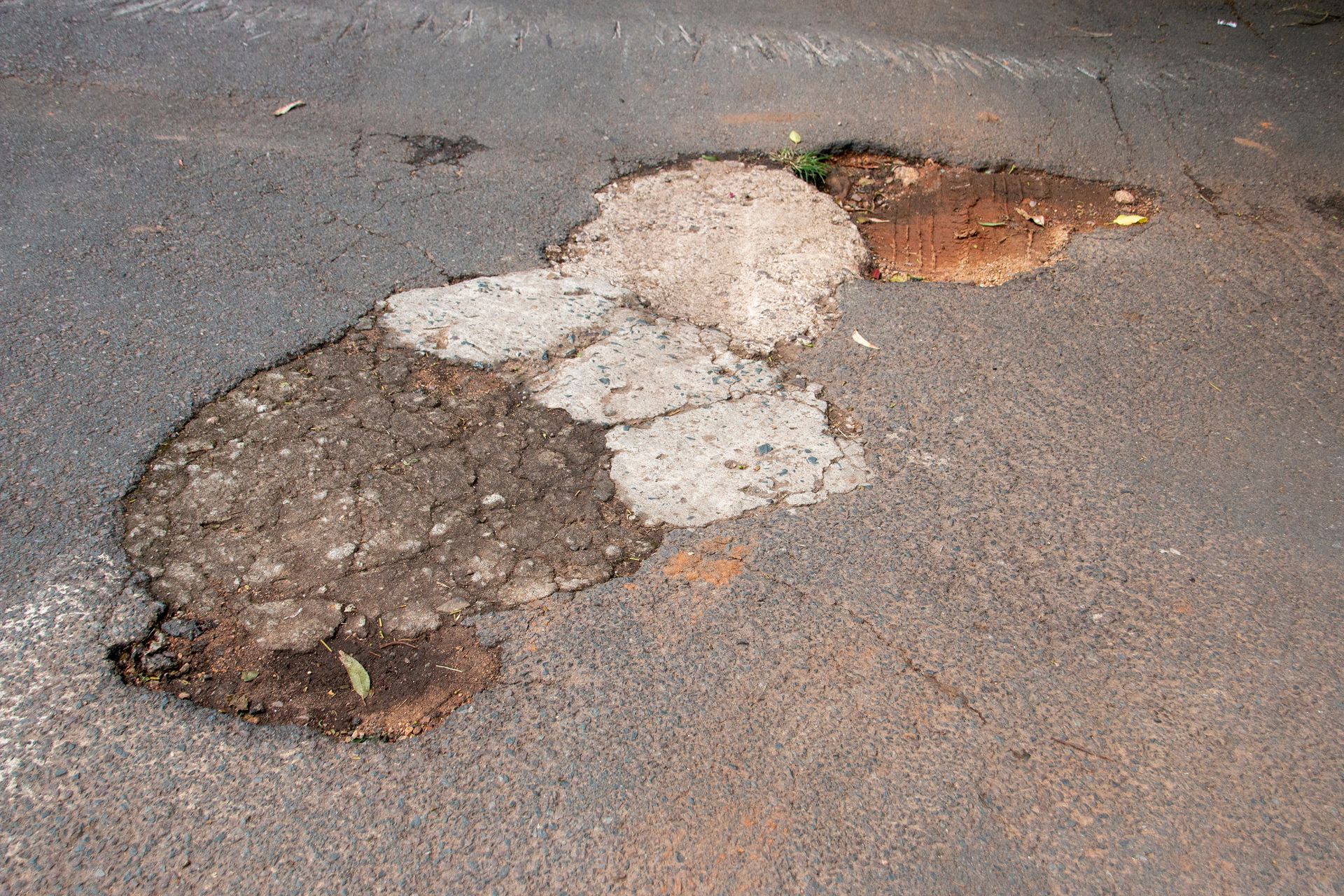
Many homeowners first notice winter damage when small cracks become larger, surface scaling develops, or sections of the driveway begin showing signs of wear after the snow season ends. While the damage may appear sudden, freeze-thaw deterioration usually develops gradually over multiple seasons as moisture repeatedly penetrates the concrete and expands during freezing conditions.
Creteworx regularly works with homeowners throughout Colorado, dealing with concrete driveway damage related to winter weather and moisture intrusion. From
firsthand experience in concrete repair and installation projects, one of the most common misconceptions homeowners have is that concrete damage only occurs during major snowstorms. In reality, repeated temperature fluctuations above and below freezing are often far more damaging over time than snow accumulation itself.
According to the American Concrete Institute, freeze-thaw cycles occur when water enters concrete pores or cracks, freezes as temperatures drop, and expands. As the moisture freezes, it increases internal pressure within the concrete. Repeated expansion and contraction may eventually contribute to cracking, surface deterioration, joint damage, and structural weakening.
Colorado’s climate creates especially difficult conditions because temperatures frequently fluctuate rapidly throughout the winter season. A driveway may thaw partially during sunny daytime conditions before refreezing overnight, causing continuous stress on the concrete surface and supporting materials beneath the slab.
Understanding how freeze-thaw cycles affect concrete driveways — and learning what homeowners can do to reduce winter cracking risks — can help protect concrete surfaces while extending their long-term lifespan.
The Four Biggest Ways Freeze-Thaw Cycles Damage Concrete Driveways
1. Moisture Expansion Inside Concrete Creates Cracking Pressure
Concrete may appear solid, but it contains small pores and microscopic openings that can absorb moisture over time.
During winter, water enters:
- Surface cracks
- Expansion joints
- Porous concrete areas
- Small surface imperfections
As temperatures drop below freezing, trapped moisture expands. This expansion creates internal pressure that gradually stresses the concrete structure.
From practical contractor experience, repeated freezing and thawing is one of the leading causes of:
- Surface cracking
- Joint deterioration
- Scaling and flaking
- Corner breakage
- Expansion-related slab movement
Homeowners often notice freeze-thaw damage worsening in areas where:
- Drainage is poor
- Water pools frequently
- Existing cracks are untreated
- Sealers have worn away
According to the Portland Cement Association,
controlling moisture intrusion is one of the most effective ways to reduce freeze-thaw damage in concrete surfaces.
Even small cracks may become significantly larger after repeated winter expansion cycles if moisture penetration is not addressed early.
2. Freeze-Thaw Cycles Increase Surface Deterioration
Winter weather places continuous stress on the concrete surface itself.
When moisture repeatedly freezes near the surface layer, it may gradually contribute to:
- Surface scaling
- Flaking
- Pitting
- Rough texture development
- Decorative finish wear
From firsthand repair experience, older driveways or unsealed surfaces often show accelerated surface deterioration after several Colorado winters.
Driveways become especially vulnerable when:
- Moisture remains trapped on the surface
- Snow and ice are left for extended periods
- Deicing chemicals are overused
- Drainage problems remain unresolved
Freeze-thaw stress may become more severe in areas exposed to:
- Heavy vehicle traffic
- Direct snow accumulation
- Standing water near joints
- Repeated refreezing conditions
- Professional concrete sealing helps reduce surface permeability while limiting moisture absorption during winter months.
Homeowners should regularly inspect for early warning signs such as:
- Surface flaking
- Widening cracks
- Scaling near joints
- Rough or brittle texture changes
Addressing small issues early often helps reduce more extensive deterioration later.
3. Poor Drainage Makes Freeze-Thaw Damage Worse
Drainage problems are one of the biggest contributors to winter driveway damage throughout Colorado.
When water collects on or near the driveway, freeze-thaw cycles place additional stress on both the concrete surface and the supporting soil beneath it.
From practical installation and maintenance experience, poor drainage commonly contributes to:
- Uneven slab movement
- Soil erosion beneath the driveway
- Joint separation
- Surface cracking
- Ice buildup near low spots
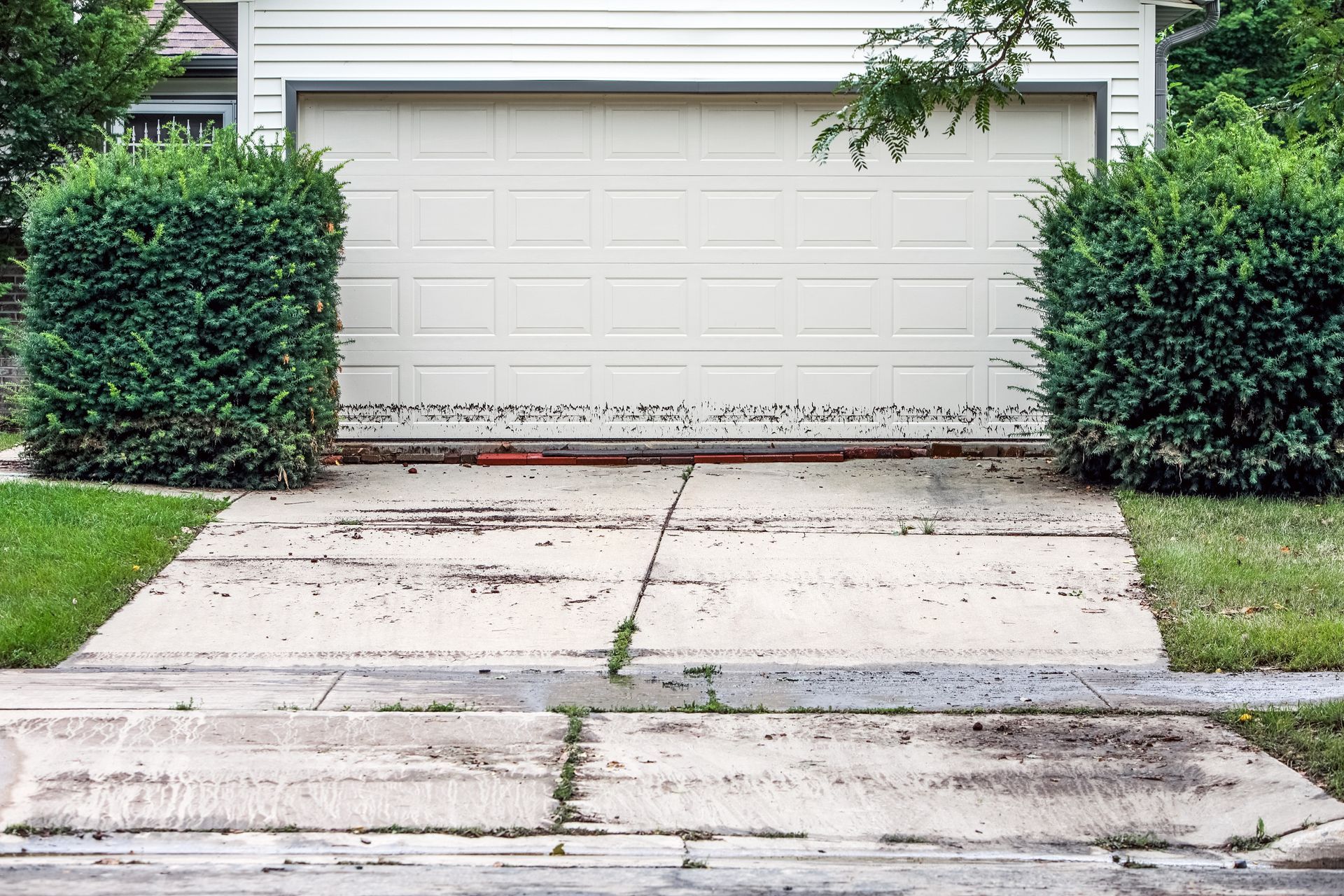
Common warning signs of drainage-related freeze-thaw damage include:
- Persistent puddles after storms
- Water flowing toward the garage
- Cracking concentrated near low areas
- Erosion near driveway edges
- Uneven slab settling
According to the National Ready Mixed Concrete Association,
proper water management is critical for preserving concrete durability in freeze-thaw climates.
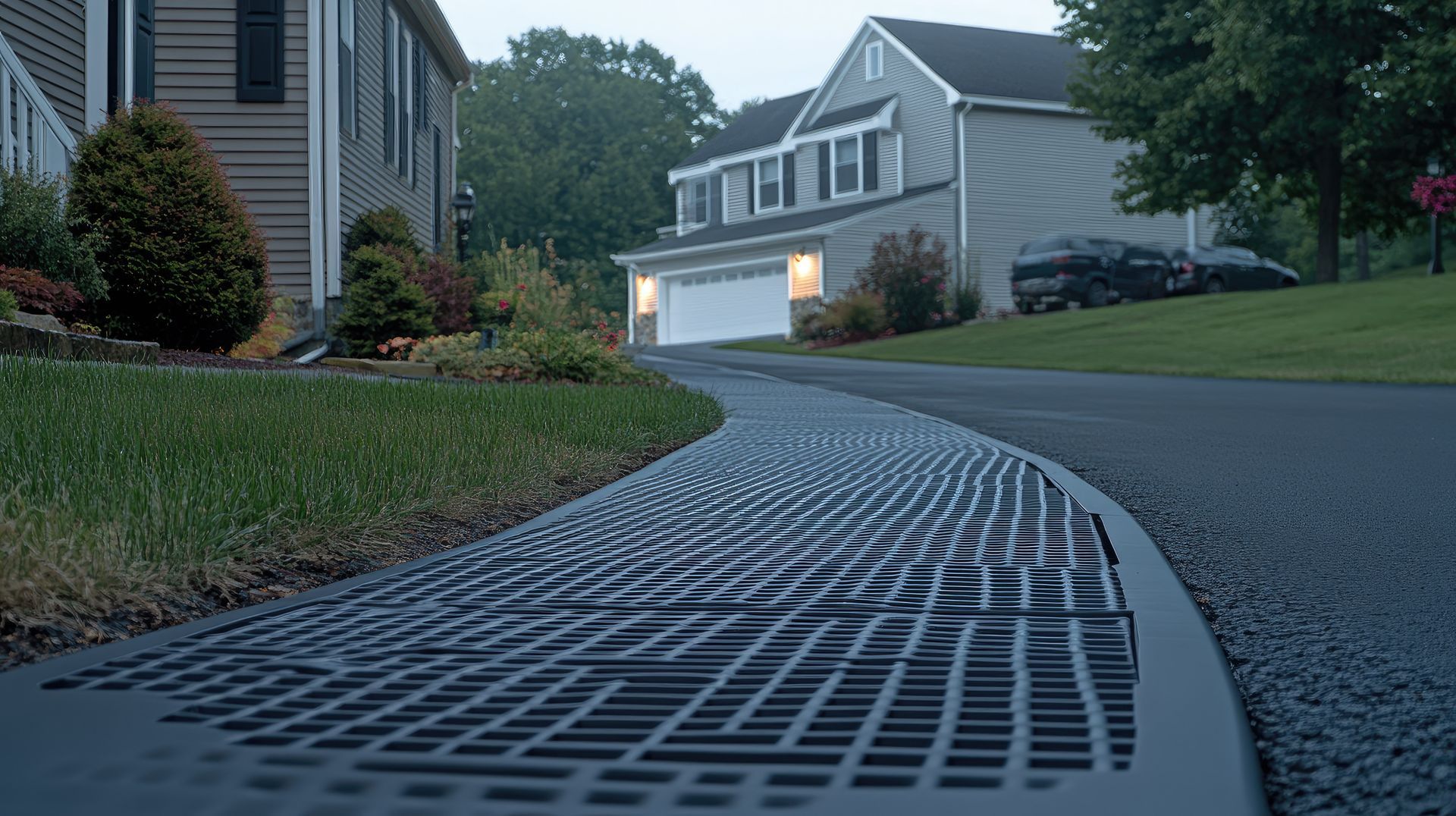
Potential drainage improvements may include:
- Correcting driveway slope
- Redirecting downspouts
- Improving grading
- Installing drainage systems
- Repairing low spots where water pools
Because Colorado frequently experiences daytime thawing followed by nighttime freezing, unresolved drainage issues may continue worsening throughout the winter season.
4. Preventative Winter Maintenance Helps Reduce Damage
One of the most effective ways homeowners can reduce freeze-thaw damage is through proactive maintenance before and during winter.
From firsthand contractor observation, preventative care often helps extend driveway lifespan significantly.
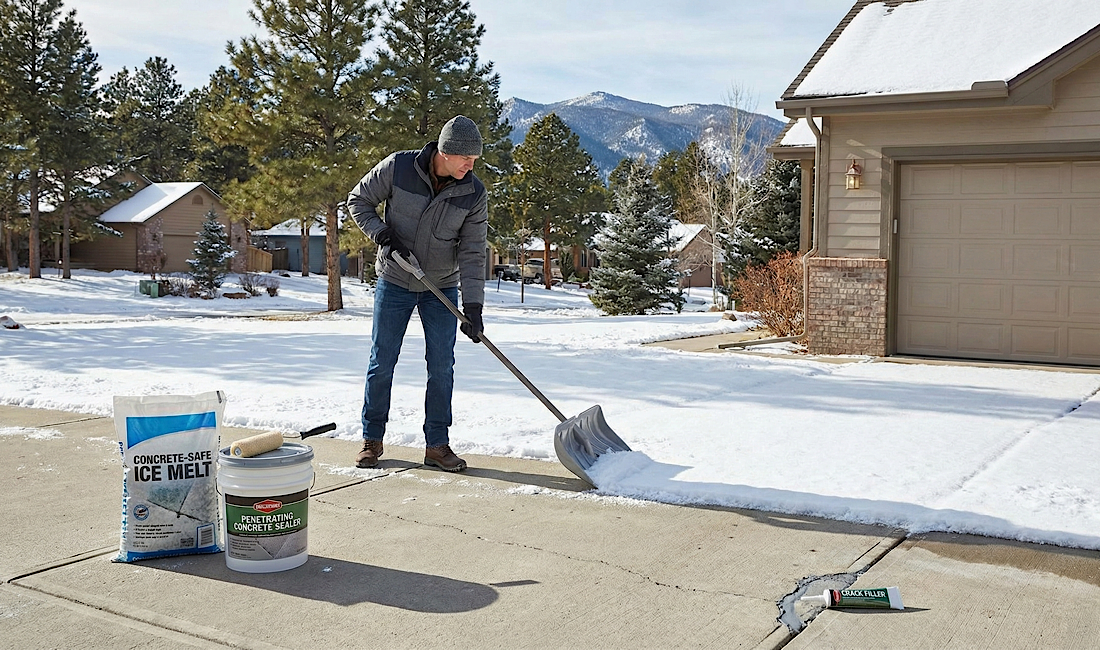
Important winter maintenance steps may include:
- Repairing small cracks before winter
- Cleaning expansion joints regularly
- Applying protective sealers
- Managing drainage properly
- Removing snow promptly
- Using concrete-safe deicing products carefully
Homeowners should avoid excessive use of harsh deicing chemicals because some products may accelerate surface wear or scaling over time.
Proper snow removal techniques also matter. Aggressive scraping with metal shovels or snowplows may damage vulnerable concrete surfaces, especially on aging driveways.
According to the American Concrete Institute, proper installation quality, joint placement, drainage planning, and ongoing maintenance all play major roles in improving freeze-thaw durability.
Routine inspections before winter can help identify:
- Small cracks
- Worn sealers
- Drainage problems
- Joint deterioration
- Surface weaknesses
Addressing these concerns early often helps prevent more expensive repairs after winter weather arrives.
Frequently Asked Questions About Freeze-Thaw Damage
What is a freeze-thaw cycle?
A freeze-thaw cycle occurs when moisture enters concrete, freezes as temperatures drop, expands, and then thaws again as temperatures rise.
Why are freeze-thaw cycles damaging to concrete?
Repeated expansion and contraction from freezing moisture creates internal pressure that may contribute to cracking and surface deterioration over time.
Can small driveway cracks get worse during winter?
Yes. Water entering small cracks may freeze and expand, causing the cracks to widen during freeze-thaw cycles.
How can homeowners reduce freeze-thaw damage?
Proper sealing, crack repair, drainage maintenance, and careful snow removal all help reduce winter concrete stress.
Does standing water increase winter driveway damage?
Yes. Standing water creates additional freeze-thaw pressure and may accelerate cracking, erosion, and slab movement.
For homeowners throughout Castle Rock and surrounding Colorado communities, freeze-thaw cycles are one of the most significant long-term threats to concrete driveway durability.
Understanding
how winter moisture and temperature fluctuations affect concrete surfaces allows
homeowners to address small maintenance concerns before they become major structural problems.
Creteworx provides professional concrete driveway installation, repair, sealing, and drainage solutions designed specifically for Colorado’s demanding freeze-thaw climate conditions. By combining experienced craftsmanship, preventative maintenance strategies, and proper water management solutions,
homeowners can better protect their driveways from winter cracking, surface deterioration, and long-term structural damage.