Concrete driveways throughout Colorado face constant exposure to changing weather conditions, including heavy summer storms, snowmelt, freeze-thaw cycles, irrigation runoff, and rapid moisture fluctuations. While homeowners often focus on visible cracking or surface wear, poor drainage is one of the most common underlying causes of long-term driveway damage. Water that fails to drain properly can gradually weaken soil beneath the slab, contribute to erosion, create puddling, and accelerate structural deterioration over time.
In areas like
Castle Rock, Parker, Castle Pines, and throughout the Front Range, drainage issues become especially important because Colorado’s expansive soils react significantly to changing moisture levels. As soils absorb water, they may swell. During dry periods, they contract again. These repeated movement cycles can place substantial stress on concrete slabs if water is not managed effectively around the property.
Creteworx regularly works with homeowners dealing with driveway cracking, settling, and surface deterioration tied directly to drainage problems that developed gradually over time. From firsthand experience in concrete installation and repair projects, many major driveway issues homeowners face years later often begin with relatively minor drainage concerns that were ignored early on.
According to the American Concrete Institute, proper site drainage is one of the most important factors affecting long-term concrete performance. Water accumulation beneath or around concrete surfaces can contribute to soil instability, freeze-thaw stress, erosion, and structural movement if drainage systems are poorly designed or inadequately maintained.
Colorado’s climate creates additional challenges because driveways frequently experience periods of heavy moisture followed by rapid drying and intense summer heat. This repeated moisture cycling increases pressure on both the concrete surface and the supporting soils beneath it.
Understanding how drainage affects concrete driveways — and learning which solutions help prevent long-term damage — can help homeowners protect their investment while reducing the risk of costly repairs later.
The Four Most Effective Concrete Driveway Drainage Solutions
1. Proper Driveway Slope Helps Prevent Water Pooling
One of the most
important drainage features for any concrete driveway is proper grading and slope design.
Concrete driveways should be installed with enough slope to encourage water runoff away from the surface rather than allowing moisture to collect in low areas.
From practical contractor experience, poor slope planning is one of the leading causes of:
- Standing water
- Surface puddling
- Soil erosion
- Freeze-thaw deterioration
- Premature cracking
Even minor low spots can gradually create long-term problems when water repeatedly accumulates on the surface.
Common signs of poor driveway drainage include:
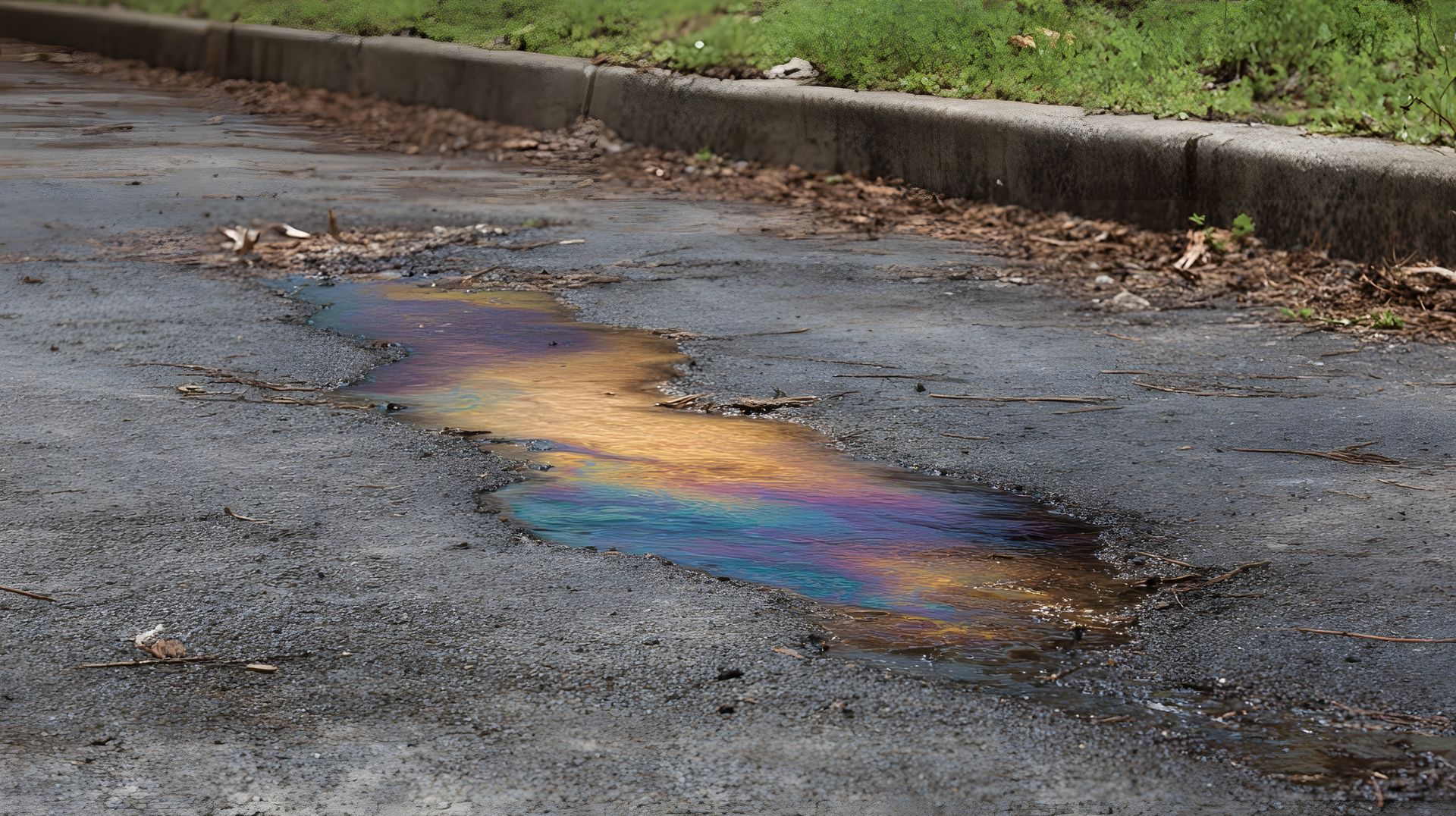
- Persistent puddles after storms
- Water flowing toward the garage
- Surface staining from standing moisture
- Uneven drying patterns
- Erosion near slab edges
According to the Portland Cement Association, effective drainage planning helps reduce moisture-related stress that can shorten concrete lifespan over time.
Professional
driveway installations typically account for:
- Property slope
- Water runoff direction
- Downspout placement
- Soil conditions
- Drainage flow patterns around structures
Proper grading allows water to move away from the driveway efficiently while minimizing pressure beneath the slab.
2. Downspouts and Roof Runoff Must Be Managed Carefully
Many homeowners overlook how roof drainage affects concrete driveway performance.
Improperly directed downspouts may dump large amounts of water directly near driveway edges or slab joints, gradually contributing to:
- Soil erosion
- Uneven settling
- Expansion-related stress
- Water intrusion beneath the slab
- Cracking near edges or corners
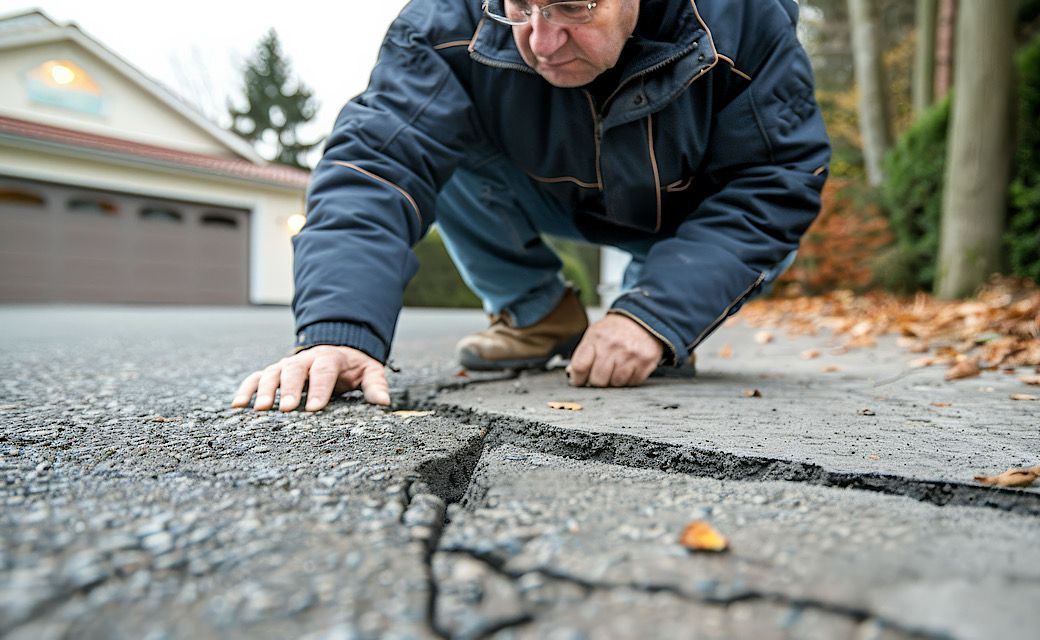
From firsthand installation and repair experience, concentrated roof runoff is one of the most common causes of localized driveway deterioration around residential properties. If cracking has already begun, it's worth learning how to spot and repair concrete cracks before winter hits so small issues don't turn into major repairs.
Homeowners should inspect whether downspouts are:
- Draining directly beside the driveway
- Creating erosion channels
- Saturating nearby soils repeatedly
- Causing water pooling near slab joints
Drainage extensions, buried drain systems, or redirected runoff paths may help reduce excess moisture accumulation around concrete surfaces.
Properties with steep rooflines or large surface runoff areas may require additional drainage planning to prevent water concentration during heavy Colorado storms.
Managing roof drainage properly becomes especially important during spring snowmelt and late-summer thunderstorm season when runoff volumes increase significantly.
3. Expansion Joints and Edge Protection Help Reduce Water Intrusion
Expansion joints are designed to allow concrete movement during temperature changes, but they also play an important role in drainage protection.
When joints deteriorate or remain unsealed, water may penetrate beneath the slab and gradually weaken supporting soils.
From practical maintenance experience, homeowners often overlook early warning signs such as:
- Cracked joint filler
- Open gaps between slabs
- Water collecting near joints
- Edge erosion along driveway borders
Over time, moisture infiltration beneath the slab can contribute to:
- Uneven settling
- Joint displacement
- Surface cracking
- Freeze-thaw damage during winter
Proper joint maintenance may include:
- Replacing worn filler materials
- Monitoring joint separation
- Sealing vulnerable gaps
- Preventing debris accumulation
Driveway edges also require attention because runoff erosion along slab borders may gradually expose unsupported areas beneath the concrete.
Professional inspections can help identify drainage-related vulnerabilities before visible structural damage develops.
4. Drainage Systems May Be Necessary for Problem Areas
Some Colorado properties experience recurring drainage problems because of grading limitations, heavy runoff patterns, or soil conditions.
In these situations, additional drainage systems may help reduce long-term concrete stress.
Potential solutions may include:
- Channel drains
- French drains
- Swales
- Catch basins
- Drainage piping systems
- Retaining wall drainage integration
From firsthand contractor experience, properties located on slopes or in areas with poor natural drainage often benefit from supplemental water management systems designed specifically for the site conditions.
Channel drains are commonly installed near:
- Garage entrances
- Steep driveway transitions
- Areas with recurring puddling
- Heavy runoff zones
French drains may help redirect subsurface moisture away from the driveway while reducing soil saturation beneath the slab.
According to the National Ready Mixed Concrete Association, managing water movement around concrete surfaces is critical for preserving long-term structural stability.
Professional drainage evaluations often consider:
- Soil expansion potential
- Water flow direction
- Existing erosion patterns
- Foundation drainage interaction
- Seasonal runoff behavior
Because every property has unique grading and drainage characteristics, customized solutions usually provide the best long-term results. In some cases, a full driveway resurfacing versus repair evaluation may reveal whether starting fresh with proper drainage built in makes more sense than patching an existing problem area.
Frequently Asked Questions About Concrete Driveway Drainage
Why does water pooling damage concrete driveways?
Standing water may contribute to surface deterioration, soil erosion beneath the slab, freeze-thaw stress, and long-term cracking.
Can poor drainage crack a concrete driveway?
Yes. Water infiltration and soil movement caused by drainage issues can place pressure on concrete and contribute to structural cracking.
What causes puddles on concrete driveways?
Improper slope, settling, low spots, drainage blockages, or poor grading commonly lead to water pooling on driveway surfaces.
Do expansion joints help with drainage protection?
Yes. Properly maintained joints help reduce water intrusion beneath the slab while allowing concrete movement safely.
When should homeowners consider professional drainage solutions?
Persistent puddling, erosion, recurring cracking, or visible water flow problems are all signs that professional evaluation may be beneficial.
For homeowners throughout Castle Rock and surrounding Colorado communities, proper drainage plays a major role in
preserving concrete driveway performance and preventing costly long-term damage. Addressing runoff problems early helps reduce erosion, moisture intrusion, and slab
movement before larger structural repairs become necessary.
Creteworx provides professional concrete driveway installation, drainage correction, and long-term maintenance services designed specifically for Colorado’s challenging environmental conditions. By combining experienced craftsmanship, proper grading strategies, and effective water management solutions, homeowners can better protect their driveways from erosion, puddling, and drainage-related deterioration for years to come.