
Spring Concrete Replacement in Castle Rock: What to Know Before You Start
Spring concrete replacement in Castle Rock, CO: timing and prep tips. Call CreteWorx at 720-350-3503 for expert concrete service.

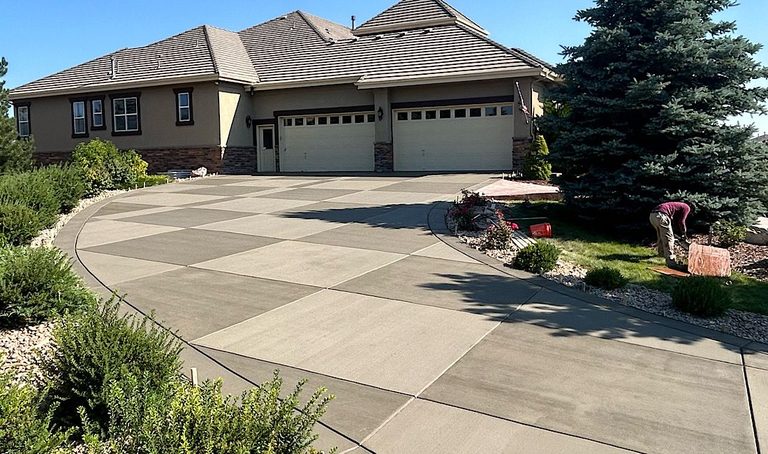
Planning a concrete replacement project in the spring can be one of the smartest decisions for property owners in Castle Rock, CO. As temperatures begin to rise and winter conditions fade, spring creates an ideal window to replace damaged driveways, patios, and walkways. Creteworx works with homeowners and property managers throughout Castle Rock who want to take advantage of this season for long-lasting results.
However, timing, preparation, and understanding Colorado’s unique climate all play a critical role in ensuring success. Spring concrete replacement is not just about scheduling a project early in the year. It involves knowing how weather patterns, ground conditions, and installation techniques come together to impact durability.
This guide explains exactly what to expect, how to prepare, and why working with a knowledgeable Castle Rock concrete contractor can make a significant difference in the outcome.
Why Spring Is Ideal for Concrete Replacement
Spring offers a balance of moderate temperatures and improved ground conditions, making it one of the most favorable times for concrete work. In Castle Rock, winters can leave behind cracked, heaved, or deteriorated concrete due to freeze-thaw cycles.
Addressing these issues early in the year helps prevent further damage and prepares outdoor spaces for increased use during warmer months.
Concrete performs best when it is poured and cured under stable temperature conditions.
Extreme heat can cause rapid moisture loss, while freezing temperatures can weaken the curing process. Spring typically provides a middle ground where:
- Daytime temperatures support proper curing
- Ground frost has thawed, allowing stable subgrade preparation
- Scheduling availability is often better before peak summer demand
- Outdoor living spaces can be ready for summer use
According to the American Concrete Institute, proper curing temperature is essential because “concrete gains strength most effectively when moisture and temperature conditions are controlled.” This makes spring a practical season for achieving optimal results.
For homeowners planning to replace a concrete patio or driveway, starting in spring can also reduce long-term maintenance concerns. Addressing damage early prevents small issues from becoming larger structural problems later in the year. Property owners considering patio upgrades may also benefit from reviewing concrete patio ideas for Castle Rock homes when planning their project.
What to Expect During a Spring Concrete Replacement Project
Understanding the process helps property owners feel more confident and prepared. A professional concrete replacement project typically follows a structured approach designed to ensure durability and performance. Property owners can learn more about this process in understanding why concrete curing matters.
Here is what most projects include:
- Inspection and planning: Evaluating existing damage, drainage, and soil conditions
- Demolition and removal: Breaking up and removing old or failing concrete
- Subgrade preparation: Compacting and leveling the base to prevent settling
- Form setting and reinforcement: Establishing the shape and structural support
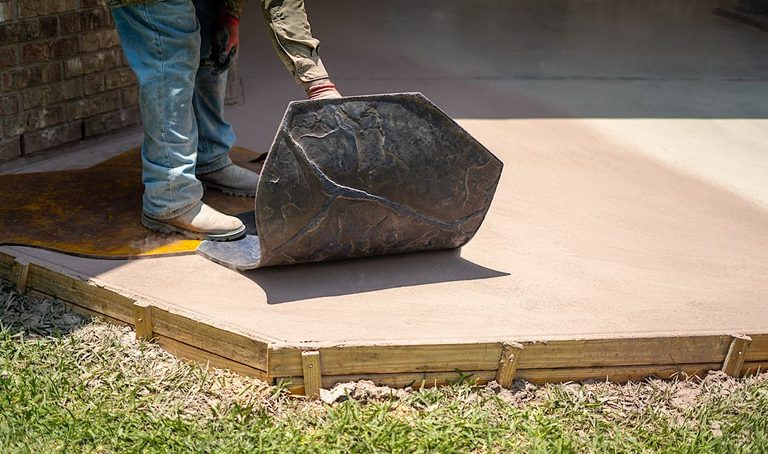
- Concrete placement and finishing: Pouring, smoothing, and applying finishing techniques
- Curing and protection: Allowing the concrete to strengthen over time
Spring projects may also involve minor scheduling adjustments due to weather variability. Occasional rain or temperature fluctuations are normal, but experienced contractors plan accordingly to maintain quality.
A key point often overlooked is curing time. While concrete may appear solid within a day or two, full strength develops over several weeks. Protecting the surface during this period is essential for long-term performance.
How Colorado’s Climate Impacts Concrete Replacement
Castle Rock’s climate presents unique challenges that make proper planning essential. The region experiences rapid weather changes, including temperature swings that can occur within the same day. These conditions directly affect how concrete behaves during and after installation.
The most important climate-related factors include:
- Freeze-thaw cycles: Water expands when frozen, which can cause cracking
- Low humidity: Accelerates moisture loss during curing
- Soil movement: Expansive soils can shift and affect slab stability
- Sun exposure: Intense sunlight can dry surfaces too quickly
The National Ready Mixed Concrete Association emphasizes that air-entrained concrete improves resistance to freeze-thaw damage, making it especially important in climates like Colorado. Additional guidance on how Colorado’s climate impacts concrete can help property owners better understand these challenges.
For this reason, working with a Castle Rock concrete contractor who understands local conditions is critical. Proper mix design, curing practices, and installation timing all contribute to a longer-lasting result.
Spring vs Other Seasons
- Spring: Often considered the best time for a pour, spring offers ideal temperatures and balanced curing conditions that help the concrete reach its full strength. However, you should account for occasional rain delays during this period.
- Summer: The primary advantage of summer is fast curing and the ability to handle larger projects during long workdays. The main challenge is the Boise heat, which can cause the surface to dry too quickly and lead to cracking if not managed with proper additives or shade.
- Fall: Similar to spring, fall provides cooler, stable temperatures that are great for the concrete. The trade-off is a much shorter scheduling window as contractors rush to finish projects before the first hard freeze.
- Winter: This season has very limited availability for outdoor flatwork. Freezing temperatures significantly interfere with the chemical curing process, often requiring expensive heated blankets or specialized chemical accelerants to prevent the concrete from failing.
This comparison highlights why spring is often considered the optimal time for concrete replacement projects in Castle Rock.
How to Prepare for a Concrete Replacement Project
Preparation is a key step that can significantly influence the success of a project.
Property owners can take several steps to ensure a smooth process:
- Clear the work area of furniture, vehicles, and obstacles
- Identify drainage concerns or standing water issues
- Discuss design preferences such as finish and layout
- Plan for temporary access limitations during installation
- Understand the timeline for curing and use
Proper communication with a contractor ensures expectations are aligned from the start. This includes discussing project scope, materials, and anticipated outcomes.
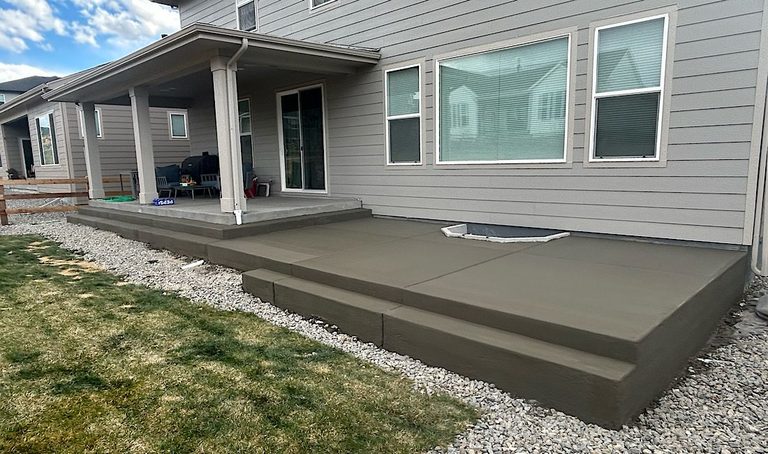
Replacing a concrete patio, for example, may also be an opportunity to improve layout, expand usable space, or enhance curb appeal. Spring projects allow enough time to complete these upgrades before peak outdoor season.
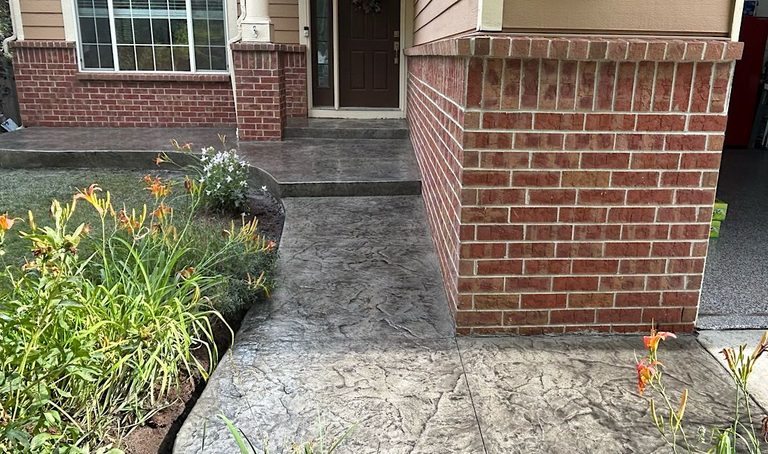
Homeowners exploring layout ideas may find inspiration in custom concrete ideas for patios and walkways.
Common Signs It’s Time to Replace Concrete
Many property owners delay replacement until damage becomes severe. Recognizing early warning signs can help prevent further deterioration and reduce long-term costs.
Look for the following indicators:
- Deep or widening cracks
- Uneven or sunken surfaces
- Pooling water or drainage issues
- Surface flaking or scaling
- Trip hazards along walkways
Addressing these issues in spring allows for timely repairs and avoids the increased wear that comes with summer use. If you notice early damage, reviewing how to spot concrete damage early can help determine when replacement is necessary.
Frequently Asked Questions
When is the best time in spring to replace concrete?
Early to mid-spring is ideal once temperatures consistently stay above freezing and ground conditions have stabilized.
How long before new concrete can be used?
Light foot traffic is usually safe within 24–48 hours, while vehicles should wait at least 7 days. Full curing takes about 28 days.
Can rain affect a concrete project?
Yes, but experienced contractors plan around weather conditions to minimize impact and protect the surface during curing.
Is spring better than summer for concrete replacement?
Spring often provides more balanced conditions, while summer heat can require additional precautions during installation.
How do you maintain new concrete after installation?
Regular cleaning, sealing, and avoiding harsh chemicals during the curing period help extend the lifespan of concrete.
Choose the Right Concrete Contractor in Castle Rock
Spring is a valuable opportunity to invest in concrete replacement that enhances both function and appearance. The combination of favorable weather and proper planning makes this season ideal for projects ranging from patios to driveways. However, the quality of the final result depends heavily on the contractor’s expertise and attention to detail.
Creteworx provides professional concrete replacement services in Castle Rock, CO, focusing on durability, proper installation methods, and long-term performance. Each project is approached with an understanding of local conditions, ensuring that the finished concrete stands up to Colorado’s climate.
For homeowners ready to replace a concrete patio or upgrade aging surfaces, now is the time to take action. Contact Creteworx at 720-350-3503 to schedule a consultation and start planning a spring concrete replacement project built to last.
Written by Erika Ray · CreteWorx, Castle Rock, CO


