Concrete replacement in Castle Rock, CO is not just about removing and pouring new material—it is about understanding how local weather conditions affect long-term performance. Colorado’s climate presents unique challenges, especially with rapid temperature changes, freeze-thaw cycles, and low humidity.
Creteworx works with homeowners who need concrete solutions that are built specifically for these conditions. Whether planning to replace a concrete driveway or upgrade a patio, weather plays a direct role in how concrete is installed, cured, and maintained over time.
One of the biggest misconceptions is that concrete simply “dries” after installation. In reality, it cures through a chemical process that depends heavily on temperature and moisture levels. If conditions are not properly managed, the concrete can weaken before it ever reaches its full strength.
This is why working with a Colorado concrete contractor who understands regional weather patterns is essential. Proper planning ensures that concrete replacement projects are completed at the right time and with the right techniques to prevent premature damage.
How Freeze-Thaw Cycles Affect Concrete
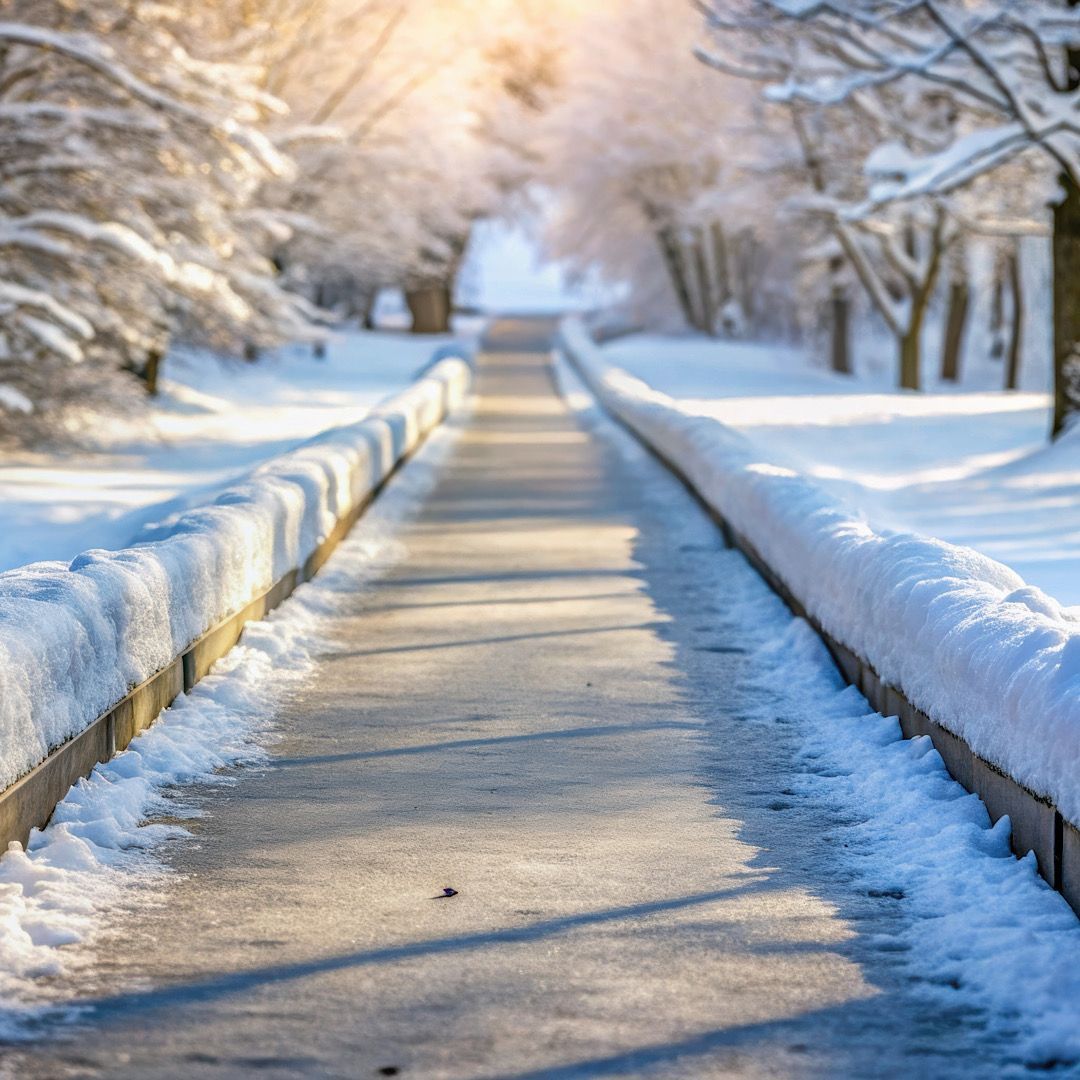
Freeze-thaw cycles are one of the most significant factors impacting concrete in Colorado. As temperatures fluctuate, water inside the concrete expands when it freezes and contracts when it thaws. Over time, this repeated movement can cause cracks, surface scaling, and structural weakening.
- Water expansion during freezing creates internal pressure
- Repeated cycles lead to cracking and surface deterioration
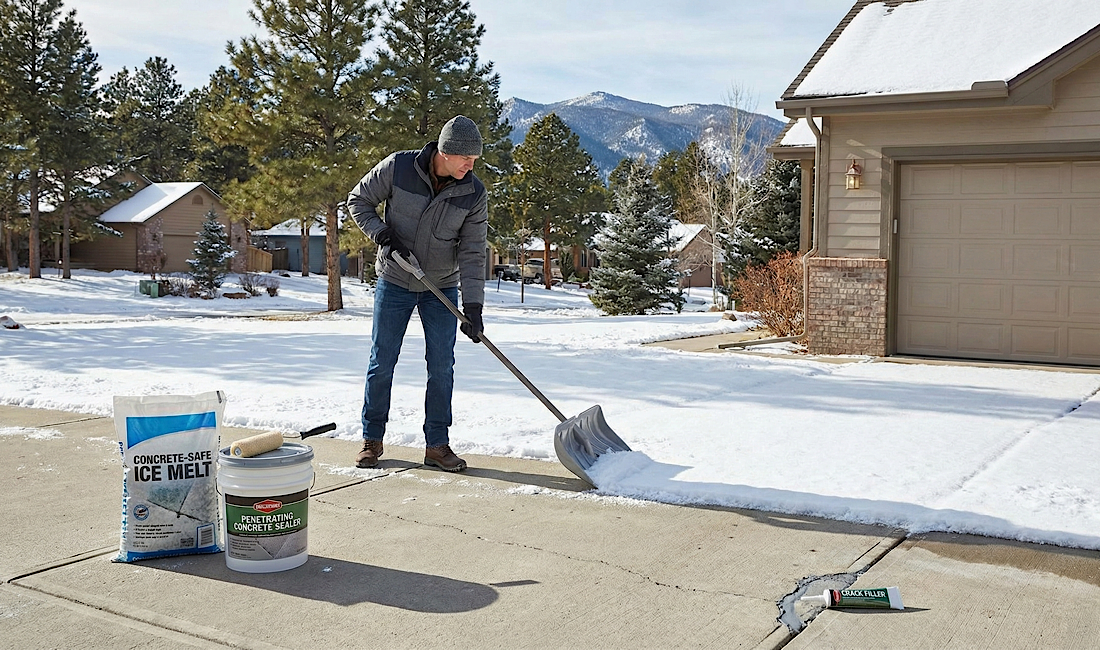
- Deicing chemicals can accelerate damage
According to the National Ready Mixed Concrete Association, air-entrained concrete is essential in cold climates because it allows space for water to expand without damaging the structure. This is a critical factor when planning any concrete replacement project in Castle Rock.
Why Timing Matters for Concrete Replacement
The timing of a concrete project can significantly impact its success.
Temperature extremes—both hot and cold—can interfere with proper curing and lead to long-term issues.
- Cold temperatures slow down the curing process
- Hot, dry conditions can cause moisture to evaporate too quickly
- Sudden temperature drops can weaken newly poured concrete
Spring and early fall are often considered ideal times for concrete replacement in Colorado because they provide more stable conditions. Planning around weather patterns helps ensure the concrete cures evenly and gains the strength it needs.
The Role of Moisture and Dry Air
Colorado’s low humidity levels create another challenge for new concrete installations.
Dry air and strong sun exposure can cause moisture to evaporate quickly, which can lead to surface cracking and reduced durability.
- Rapid moisture loss weakens the curing process
- Surface shrinkage can lead to visible cracks
- Proper curing methods help maintain strength
The American Concrete Institute emphasizes that maintaining moisture during curing is essential for achieving the desired performance. This is why
curing compounds and other protective measures are often used during installation.
What to Expect When Replacing a Concrete Driveway
Replacing a concrete
driveway involves more than just pouring new concrete. In Colorado, the process must account for weather-related factors at every stage.
Typical steps include:
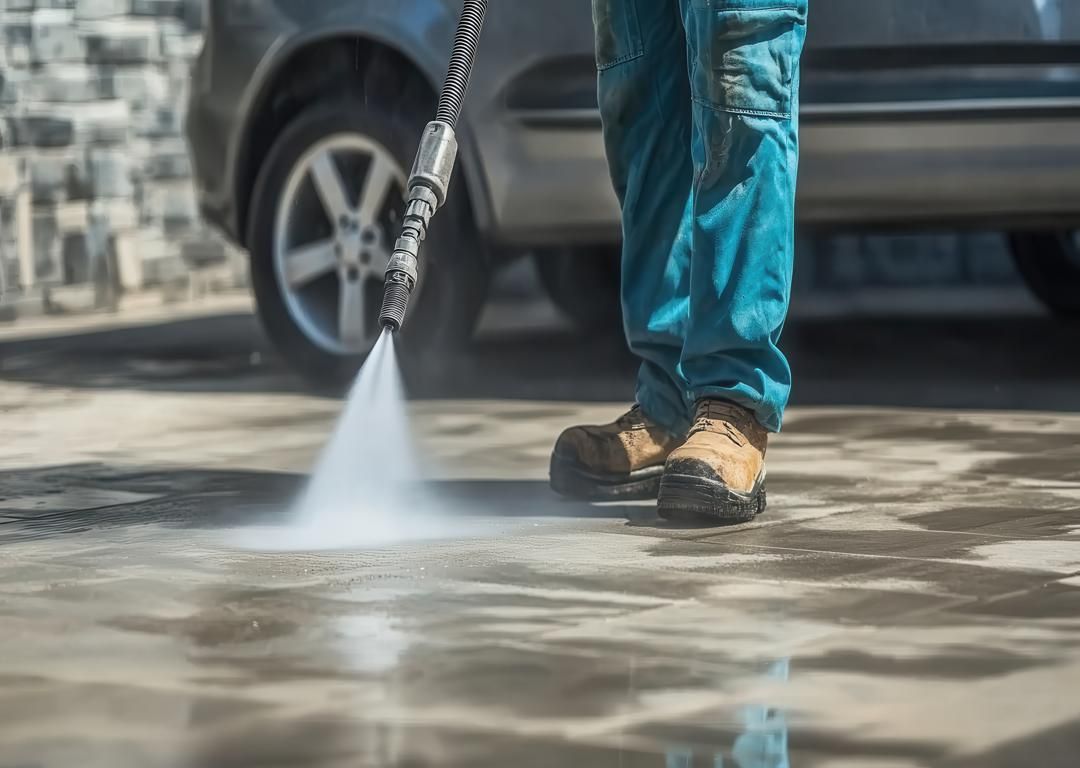
- Removing the existing driveway
- Preparing and compacting the base
- Installing reinforcement and proper drainage
- Pouring and finishing the concrete
- Applying curing methods to protect the surface
Each of these steps must be executed with attention to detail. Weather conditions are carefully monitored to ensure the project is completed under the best possible circumstances.
FAQs
How does Colorado weather impact concrete?
Temperature swings, freeze-thaw cycles, and low humidity can all affect curing, strength, and long-term durability.
When is the best time to replace a concrete driveway?
Spring and early fall are typically ideal due to moderate temperatures and more stable conditions.
Can concrete be poured in cold weather?
Yes, but special precautions are required to protect the curing process and prevent freezing.
Does heat affect new concrete?
Yes, high temperatures can cause rapid moisture loss, leading to cracking and weaker surfaces.
How can weather-related damage be prevented?
Using proper mix designs, air entrainment, curing methods, and timing helps protect concrete from weather-related issues.
Weather plays a major role in the success of any concrete replacement project in Castle Rock, CO. Understanding how temperature, moisture, and seasonal changes impact concrete allows property owners to make better decisions and avoid common problems.
Working with an experienced Colorado concrete contractor ensures that every step—from planning to curing—is handled with local conditions in mind. Creteworx provides concrete replacement services designed to withstand Colorado’s climate while delivering long-lasting results.
For homeowners planning to replace a concrete driveway or upgrade outdoor surfaces, call Creteworx at 720-350-3503 to
schedule a consultation and ensure your project is built for durability.