
Replacing a Retaining Wall: When a Fresh Start Is Better
Retaining wall replacement in Castle Rock, CO: when a fresh start beats repair. Call CreteWorx at 720-350-3503 for expert wall services.

Retaining walls play a critical role in maintaining the structure and usability of outdoor spaces, especially in areas like Castle Rock, CO, where slopes and soil movement are common. Over time, even well-built retaining walls can begin to fail due to pressure from soil, water buildup, and Colorado’s freeze-thaw cycles.
Creteworx works with homeowners who are trying to decide whether to repair a failing wall or move forward with a full retaining wall replacement. While minor issues can sometimes be addressed with repairs, there comes a point where a fresh start is the smarter and more cost-effective long-term solution.
Many retaining wall problems begin subtly. Small cracks, slight leaning, or minor drainage issues may not seem urgent at first, but these signs often indicate deeper structural concerns. As time goes on, these issues tend to worsen, especially when exposed to changing weather conditions.
In Castle Rock, repeated freezing and thawing can increase pressure behind the wall, accelerating failure. Choosing to replace a retaining wall instead of repeatedly repairing it allows homeowners to correct the root of the problem rather than continuing to patch surface-level damage.
Signs It’s Time for Retaining Wall Replacement
A failing retaining wall is not just a cosmetic issue—it can impact safety, drainage, and property stability. Knowing when to replace instead of repair can help prevent more extensive damage.
Some of the most common warning signs include:
- Walls that are leaning, bowing, or shifting out of place
- Large cracks or separation between blocks
- Water pooling or poor drainage behind the wall
These issues typically point to structural failure rather than surface damage. In many cases, repairs will only provide temporary relief if the underlying cause is not addressed.
Why Repairs Often Fall Short
It is common for homeowners to attempt repairs first, especially when trying to minimize upfront costs. However, retaining wall repairs often fail to solve the core problem, particularly if drainage or base issues are involved.
A few reasons repairs may not last include:
- Continued soil pressure behind the wall
- Inadequate drainage systems that allow water buildup
- Weak or compromised base materials
In Colorado, moisture followed by freezing temperatures can expand and worsen existing damage. This cycle can cause repaired areas to fail again, leading to repeated maintenance and higher costs over time.
Benefits of a New Retaining Wall
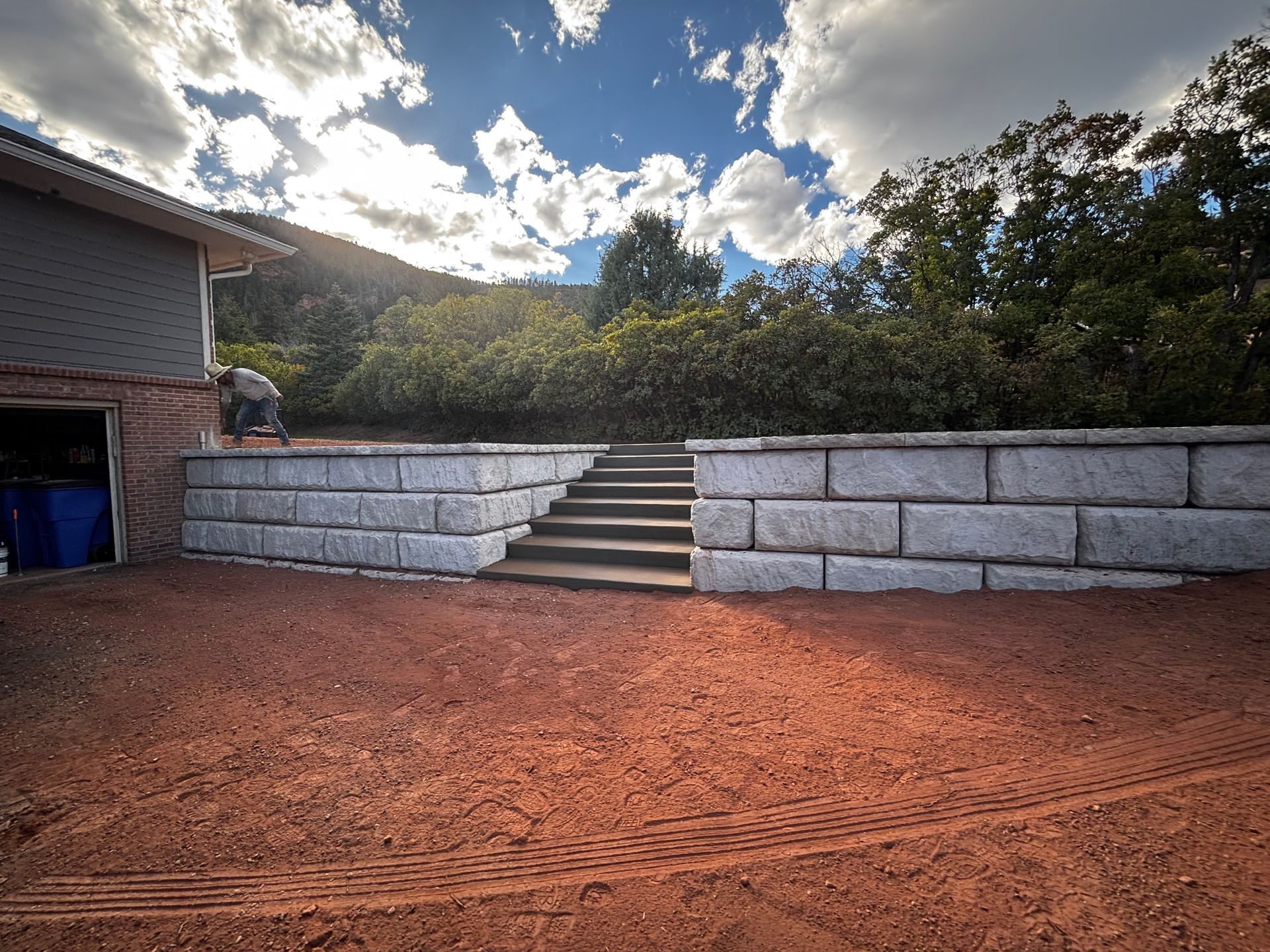
A full retaining wall replacement provides an opportunity to rebuild the structure correctly from the ground up. Instead of working around existing issues, a new installation addresses the root causes of failure and improves long-term performance.
Homeowners can expect:
- Improved structural stability with proper base preparation
- Effective drainage systems that reduce pressure behind the wall
- A clean, updated appearance that enhances the landscape
According to industry best practices, proper drainage is one of the most important factors in retaining wall longevity. A new wall built with modern techniques is far more likely to withstand Colorado’s environmental conditions.
What Impacts the Cost of a New Retaining Wall?
One of the most common concerns with retaining wall replacement is cost. While it requires a larger upfront investment than repairs, it often provides better value over time.
Factors that influence new retaining wall cost include:
- Size and height of the wall
- Type of materials used
- Site conditions, including slope and soil stability
It is important to consider long-term performance rather than just initial price. Repeated repairs can quickly add up without delivering a lasting solution.
FAQs
How do you know if a retaining wall needs to be replaced?
If the wall is leaning, cracking significantly, or failing to manage drainage, replacement is usually the best option.
Can a retaining wall be repaired instead of replaced?
Minor issues can be repaired, but structural problems often require full replacement for long-term stability.
How long does a retaining wall last?
A properly installed retaining wall can last 20–50 years, depending on materials and conditions.
What causes retaining walls to fail?
Common causes include poor drainage, soil pressure, improper installation, and weather-related damage.
Is replacing a retaining wall worth it?
Yes, it provides a long-term solution that improves both safety and property value.
Choosing between repairing and replacing a retaining wall comes down to understanding the extent of the damage and the long-term goals for the property. While repairs may offer a temporary fix, they often do not address the underlying issues that caused the failure in the first place. In Castle Rock, CO, where environmental conditions can accelerate wear, a full retaining wall replacement is often the more reliable investment.
Creteworx provides professional retaining wall replacement services designed to handle Colorado’s climate while improving both structure and appearance. For homeowners dealing with a failing wall, now is the time to take action. Call Creteworx at 720-350-3503 to schedule an evaluation and plan a retaining wall solution built to last.
Written by Erika Ray · CreteWorx, Castle Rock, CO


