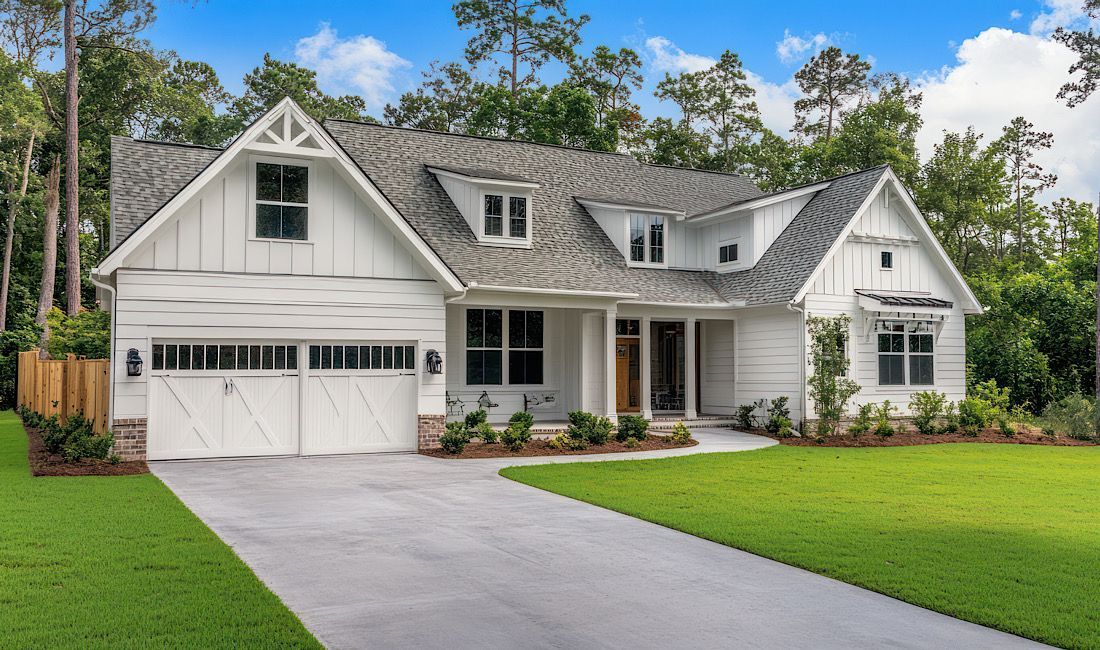
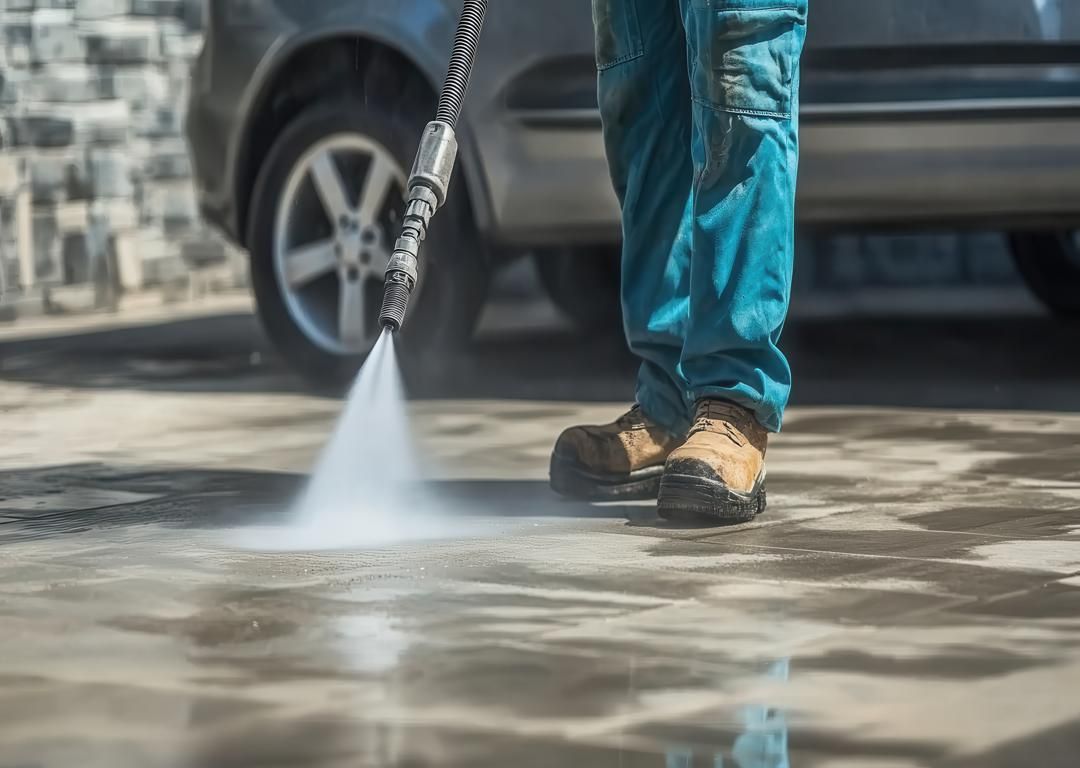
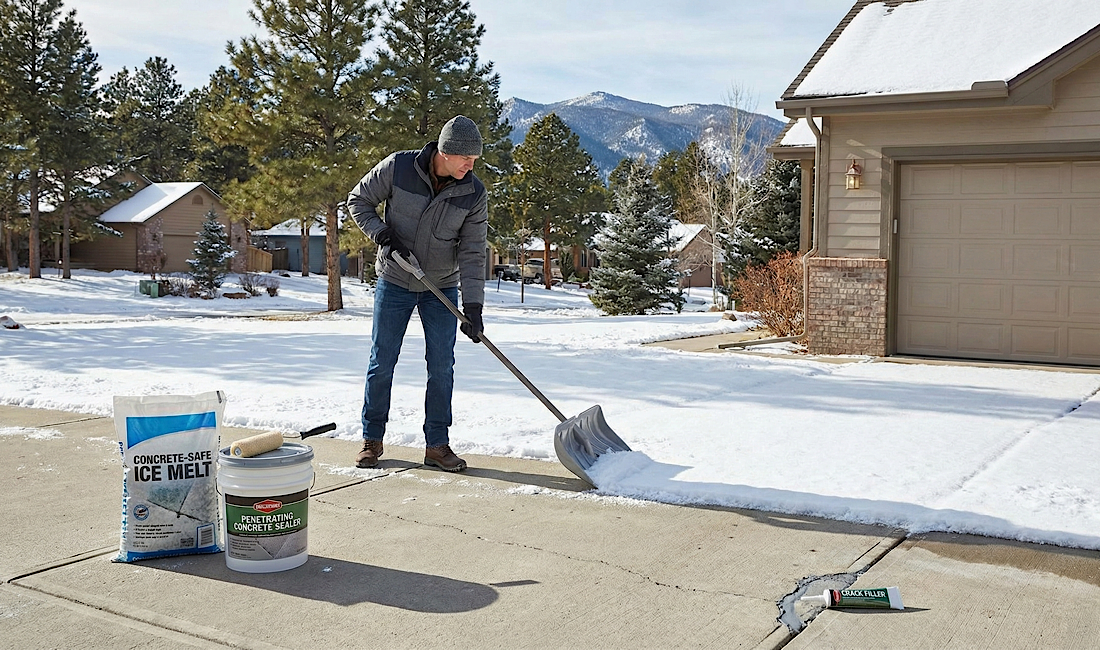
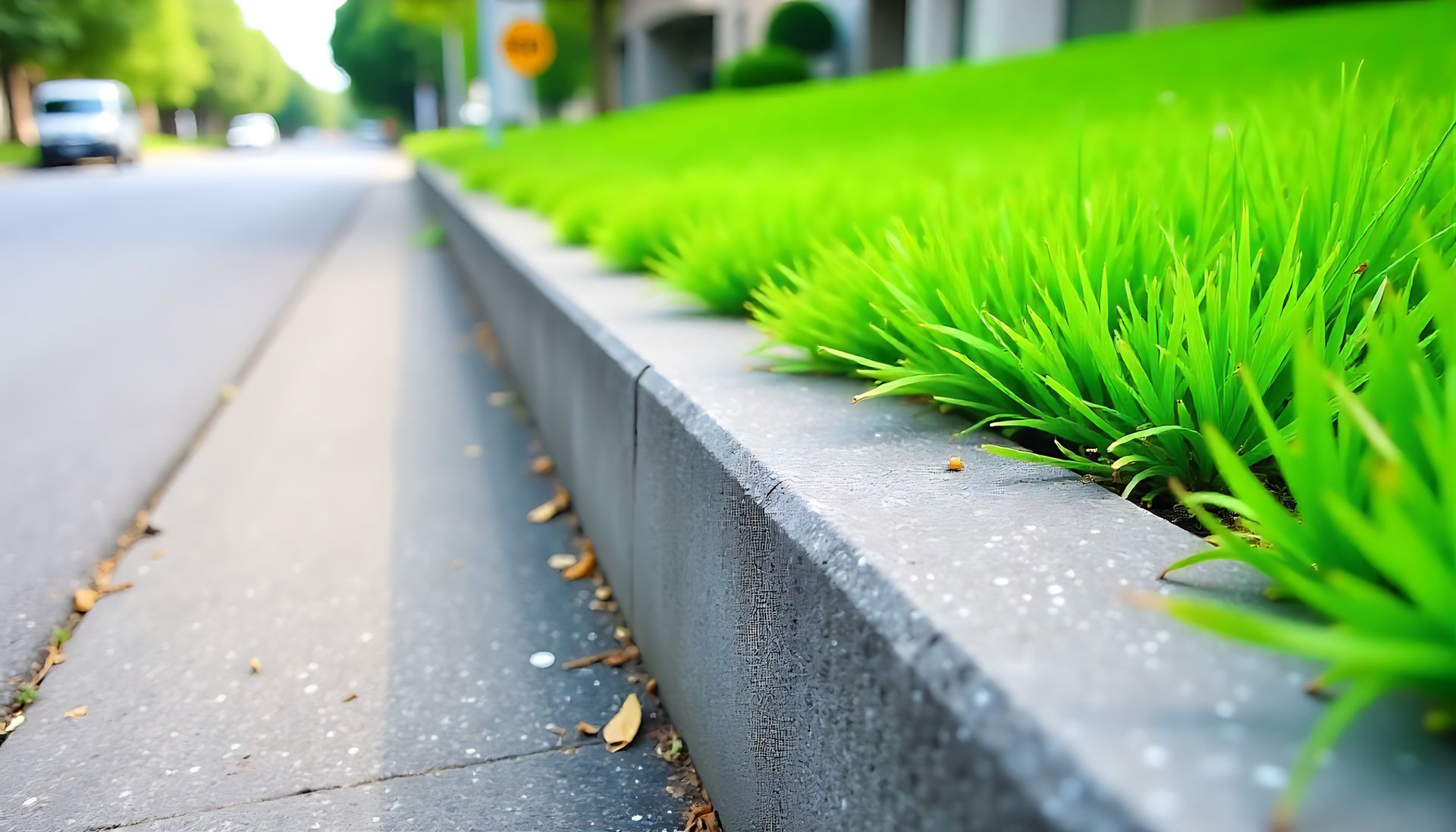
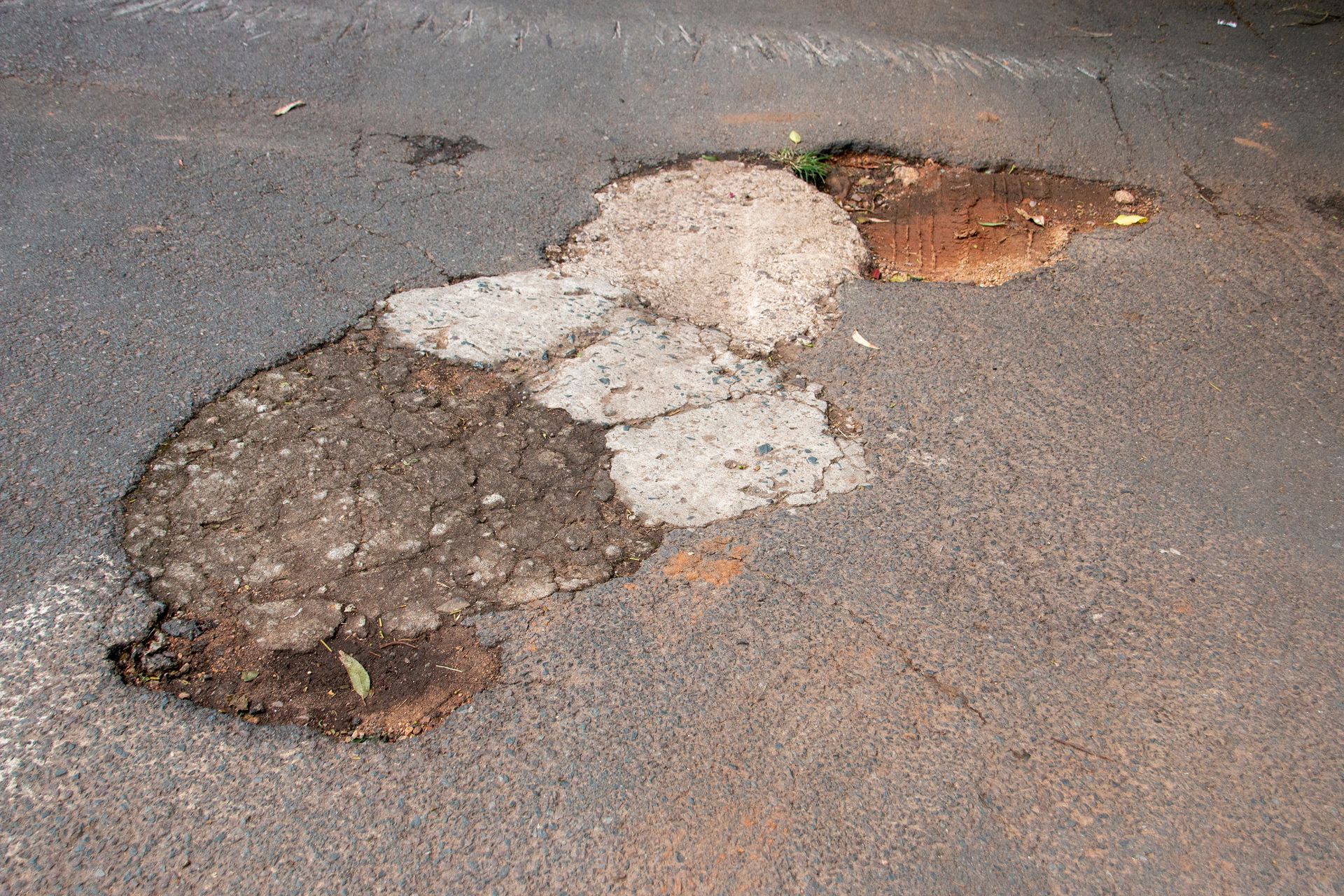
Concrete is known for its strength and durability, but it does not last forever—especially in a place like Castle Rock, CO where weather and soil conditions can take a toll over time. Many homeowners assume that once concrete is installed, it will hold up indefinitely. In reality, even well-installed concrete has a lifespan, and knowing when to replace it instead of continuing repairs is key to protecting both property value and safety.
Creteworx works with homeowners who are evaluating aging driveways, patios, and walkways and need clear guidance on when a full concrete replacement is the smarter investment.
The lifespan of concrete depends on several factors, including installation quality, maintenance, and environmental exposure. In general, most residential concrete surfaces—such as
driveways and
patios—can last anywhere from 25 to 30 years when properly installed and maintained. However, in Colorado’s climate, that timeline can vary.
Freeze-thaw cycles, shifting soil, and dry conditions can accelerate wear, causing concrete to deteriorate sooner if not built and maintained correctly. This is why understanding the signs of aging concrete is just as important as knowing its expected lifespan.
What Impacts Concrete Lifespan?
Concrete durability is influenced by more than just time. The way it is installed and the conditions it is exposed to play a major role in how long it will last.
Some of the most important factors include:
- Climate exposure: Freeze-thaw cycles can cause expansion and cracking
- Subgrade preparation: Poor base support leads to settling and structural issues
- Water and drainage: Standing water can weaken the surface over time
According to the National Ready Mixed Concrete Association, proper installation and curing significantly impact long-term performance. Concrete that is installed with attention to these details is far more likely to reach or exceed its expected lifespan.
Signs It’s Time to Replace Concrete
Not all damage requires immediate replacement, but there are clear indicators that repairs are no longer enough. As concrete ages, small issues can turn into larger structural problems.
Homeowners should look for:
- Large or spreading cracks that continue to worsen
- Uneven or sunken sections that create safety concerns
- Surface deterioration such as
flaking or scaling
When multiple issues appear at once, it often signals that the underlying structure is compromised. In these cases, replacing the concrete provides a more reliable long-term solution than repeated repairs.
Repair vs Replacement: When a Fresh Start Makes Sense
It can be tempting to repair concrete instead of replacing it, especially when trying to manage costs. However, repairs are often temporary if the root cause of the damage is not addressed. Cracks may reappear, and uneven sections can continue to shift over time.
A full concrete replacement allows for:
- Proper base preparation and compaction
- Improved drainage to prevent future damage
- A clean, uniform surface with long-term durability
While the upfront cost may be higher, replacement often proves more cost-effective over time by eliminating the need for repeated repairs.
What Affects Concrete Replacement Cost?
Concrete replacement cost varies depending on several factors, but understanding what influences pricing can help homeowners plan effectively.
Key considerations include:
For many homeowners, the decision comes down to long-term value. Investing in a new concrete surface that is built correctly can reduce maintenance costs and extend the lifespan of the installation.
FAQs
How long does concrete typically last?
Most residential concrete lasts 25–30 years, but lifespan can vary based on climate and installation quality.
What shortens the lifespan of concrete?
Freeze-thaw cycles, poor drainage, and improper installation can all reduce longevity.
Can old concrete be repaired instead of replaced?
Minor issues can be repaired, but
widespread or structural damage usually requires replacement.
Is replacing concrete worth the cost?
Yes, it provides a
long-term solution and often prevents ongoing repair expenses.
How do you know when concrete is beyond repair?
When damage is widespread, recurring, or affecting structural integrity, replacement is usually the best option.
Concrete is built to last, but it is not immune to time and environmental stress—especially in Colorado. Recognizing when aging concrete has reached the end of its lifespan can help homeowners avoid ongoing repairs and invest in a more durable solution. In Castle Rock, CO, where weather conditions can accelerate wear, replacing concrete at the right time ensures better performance and long-term value.
Creteworx specializes in concrete replacement projects designed to handle local conditions while delivering clean, lasting results. For homeowners evaluating their concrete surfaces, call Creteworx at 720-350-3503 to
schedule an assessment and plan a replacement built to last.