
Paver Patio vs Stamped Concrete for Full Replacement
Paver patio vs stamped concrete for full replacement in Castle Rock, CO. Call CreteWorx at 720-350-3503 for patio replacement options.

When planning a patio replacement in Castle Rock, CO, one of the most common decisions homeowners face is choosing between a paver patio and stamped concrete. Both options offer strong visual appeal and can completely transform an outdoor living space, but they differ in cost, maintenance, durability, and long-term performance.
Creteworx works with homeowners who want to upgrade their patios with solutions that not only look great but also hold up against Colorado’s challenging climate. Understanding the differences between these two popular patio replacement options helps ensure the final result aligns with both design goals and practical needs.
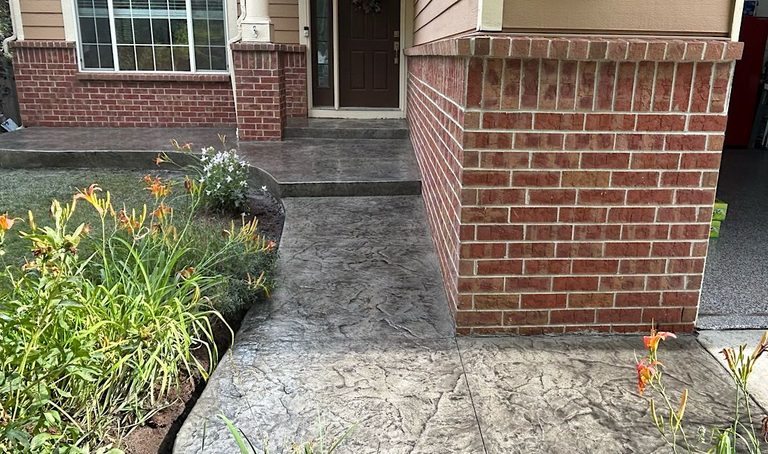
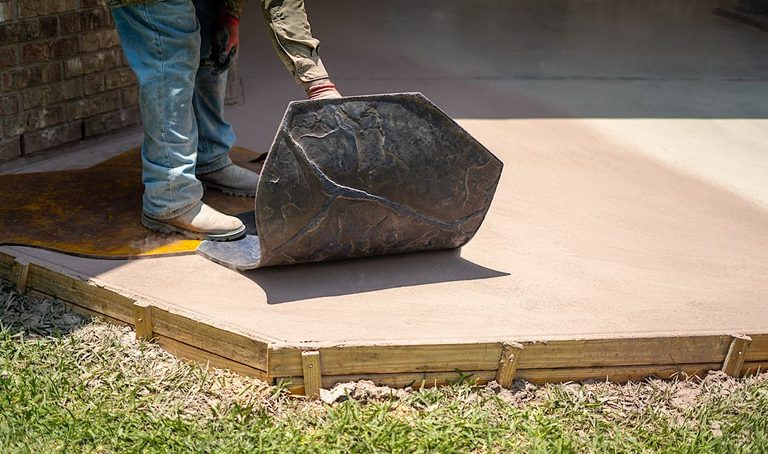
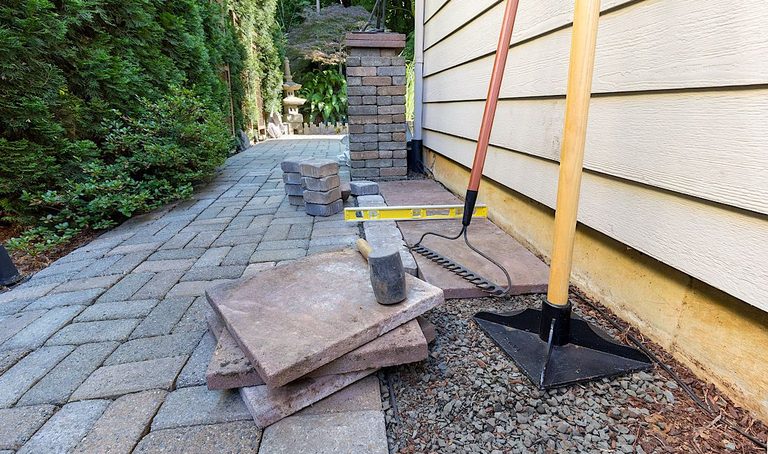
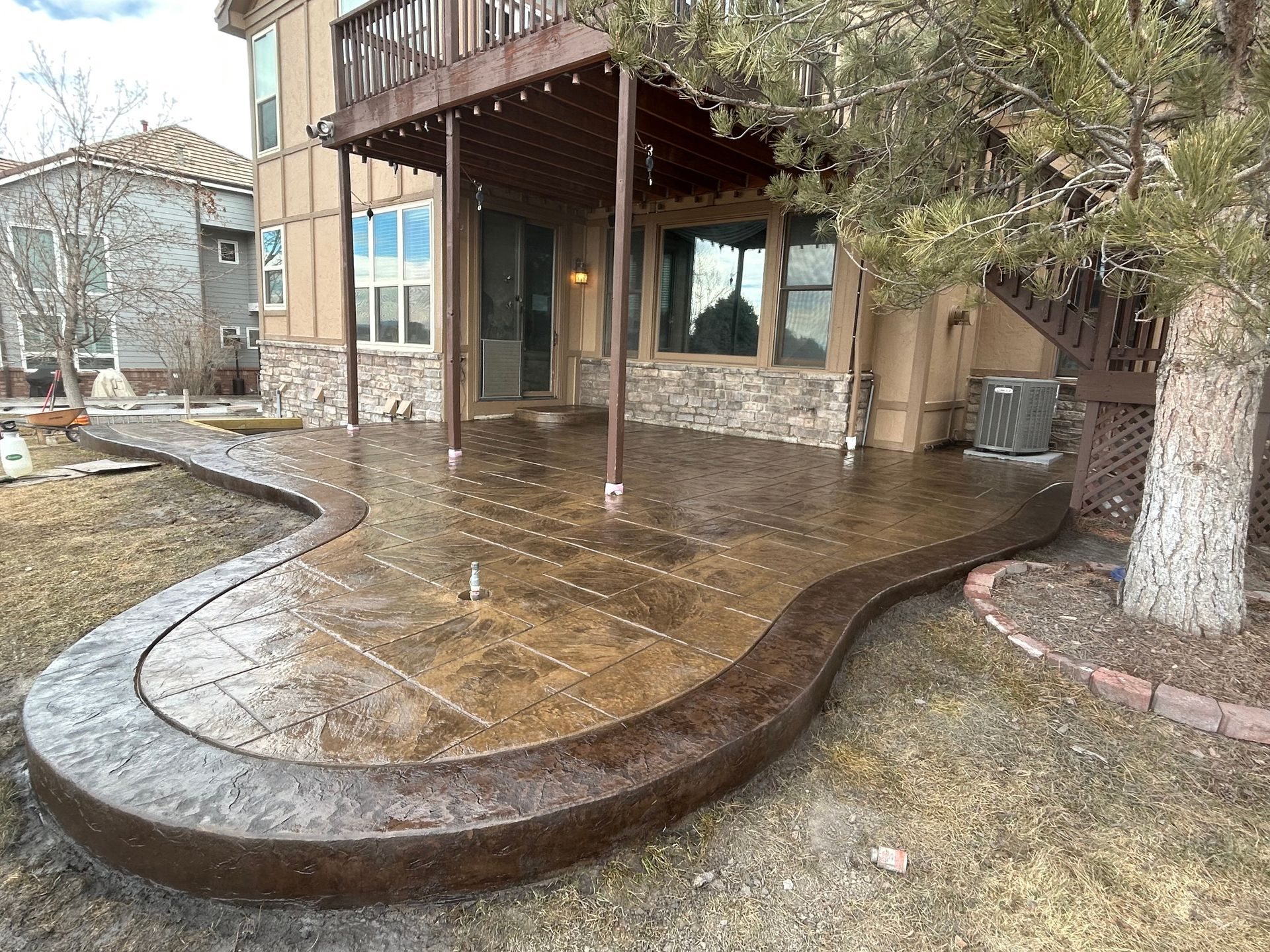
At a glance, pavers and stamped concrete may seem similar since both can replicate high-end finishes like stone or brick. However, the way they are installed—and how they perform over time—sets them apart. Pavers are individual units placed over a compacted base, while stamped concrete is a continuous slab that is textured and colored to achieve a decorative look. This structural difference plays a major role in how each option handles weather, wear, and long-term maintenance.
Key Differences Between Paver Patios and Stamped Concrete
The biggest distinction comes down to flexibility versus uniformity. Paver patios are made up of separate pieces, which allows them to shift slightly with ground movement. This flexibility can help prevent large cracks but may lead to uneven surfaces over time.
Stamped concrete, on the other hand, creates a solid surface that resists movement but may develop controlled cracks if not properly installed.
Homeowners comparing paver patio vs stamped concrete should consider:
- Installation style: Individual units vs one continuous surface
- Appearance: Segmented pattern vs seamless decorative finish
- Movement over time: Flexible vs more rigid structure
In Castle Rock, where soil movement and freeze-thaw cycles are common, these differences can directly impact long-term performance.
Cost and Maintenance Considerations
Budget and upkeep are often deciding factors when choosing between patio replacement options. While both materials require an upfront investment, their long-term costs can vary.
Paver patios typically have a higher initial cost due to the labor-intensive installation process. Each unit must be placed individually, which increases time and precision. Maintenance can also add up over time, as pavers may require re-leveling, joint sand replacement, and weed control.
Stamped concrete is generally more cost-effective upfront, especially for larger patios. Its seamless surface reduces maintenance needs, although periodic sealing is recommended to maintain appearance and durability. For many homeowners, the lower maintenance requirements make stamped concrete an attractive option for long-term use.
Durability in Colorado’s Climate
Castle Rock’s climate plays a major role in how patios perform. Freeze-thaw cycles, sun exposure, and shifting soil all impact durability.
Pavers are less likely to crack because of their segmented design, but they can shift or settle over time, especially if the base is not properly prepared. This can lead to uneven surfaces that require maintenance.
Stamped concrete offers strong durability when installed correctly, particularly when air-entrained concrete is used to handle freeze-thaw conditions. According to the National Ready Mixed Concrete Association, properly installed concrete performs well in climates with temperature fluctuations. However, proper base preparation, joint placement, and curing are essential to prevent cracking and ensure longevity.
Choosing the Right Patio for Your Outdoor Space
Selecting between a paver patio and stamped concrete ultimately depends on priorities. Homeowners who value a high-end, modular look and don’t mind ongoing maintenance may lean toward pavers. Those who prefer a clean, cohesive surface with lower maintenance often choose stamped concrete.
Some key considerations include:
- Desired appearance and design style
- Budget and long-term maintenance expectations
- How the patio will be used day-to-day
- Local climate and soil conditions
Both options can create a beautiful outdoor patio, but the right choice comes down to how the space will function over time.
FAQs
Is stamped concrete cheaper than pavers?
Yes, stamped concrete is typically more affordable upfront, especially for larger patio areas.
Which lasts longer: pavers or stamped concrete?
Both can last decades, but longevity depends on installation quality and maintenance.
Do pavers handle freeze-thaw better than concrete?
Pavers are less prone to cracking but may shift, while concrete resists movement but requires proper installation to prevent cracks.
Is stamped concrete good for outdoor patios?
Yes, it is a durable and customizable option that performs well in many climates. See how stamped concrete patios are perfect for outdoor entertaining for a closer look at the design possibilities.
Which option requires less maintenance?
Stamped concrete generally requires less maintenance than pavers.
Choosing between a paver patio and stamped concrete is an important step in planning a full patio replacement. Both materials offer unique benefits, but the right decision depends on budget, maintenance preferences, and long-term performance expectations. In Castle Rock, CO, where weather conditions can be demanding, working with an experienced contractor ensures the patio is built to last. Creteworx specializes in patio replacement projects designed to balance durability, style, and functionality.
For homeowners ready to upgrade their outdoor space, call Creteworx at 720-350-3503 to explore patio replacement options and create a space built for long-term enjoyment.
Written by Erika Ray · CreteWorx, Castle Rock, CO


