
Concrete Walkway Designs That Improve Accessibility and Safety
Accessible, slip-resistant concrete walkway designs in Castle Rock, CO. Call CreteWorx at 720-350-3503 for ADA-conscious solutions.

For retired homeowners in Castle Rock and the greater Denver area, safety and accessibility are essential parts of a comfortable home. Walkways are used every day, whether heading to the mailbox, greeting visitors, or moving between outdoor spaces. When walkways are uneven, slippery, or poorly designed, they can become a source of stress or injury instead of convenience.
Thoughtfully designed concrete walkways can greatly improve mobility, confidence, and peace of mind. With the right materials, finishes, and planning, concrete walkways can support accessibility needs while remaining attractive and durable in Colorado’s changing climate.
This guide explains practical, beginner-friendly solutions for slip-resistant and ADA-conscious concrete walkways, helping retired homeowners understand how safe design choices can enhance daily living.
Why Walkway Safety Matters More Over Time
As homeowners age, balance, vision, and joint mobility can change. Walkways that once felt manageable may become harder to navigate, especially during winter months when snow and ice are common in Castle Rock and Denver.
Outdoor falls are one of the most common causes of injury among older adults. Cracked surfaces, steep slopes, and slick finishes all increase risk. Improving walkway safety is not about limiting independence. It is about preserving it.
Well-designed concrete walkways provide:
- Stable, even surfaces
- Improved traction in all seasons
- Gentle transitions between spaces
- Clear, predictable paths of travel
Small design improvements can make a meaningful difference in daily comfort and confidence.
Understanding Accessibility in Residential Walkway Design
Accessibility does not mean turning a home into a medical space. It means designing outdoor paths that are easy to use for people with different mobility levels, including those who use canes, walkers, or simply prefer extra stability.
ADA-compliant concrete standards are often associated with public spaces, but many of the same principles apply well to residential walkways. These guidelines focus on slope, width, surface texture, and transitions.
Accessibility-focused walkways typically prioritize:
- Smooth but slip-resistant surfaces
- Gentle slopes instead of steps
- Consistent widths for easy navigation
- Minimal height changes and obstructions
Applying these concepts to residential concrete walkways creates safer environments without sacrificing appearance.
Slip-Resistant Concrete Finishes for Walkways
Slip resistance is one of the most important features of a safe concrete walkway. In Colorado, walkways must perform well during rain, snow, and freeze-thaw cycles.
Broom-finished concrete is one of the most reliable choices for slip-resistant walkways. The light texture created during finishing improves traction while maintaining a clean, simple appearance. This finish is especially well-suited for homeowners who want safety without decorative complexity.
Exposed aggregate is another option that offers a natural texture. By revealing small stones at the surface, exposed aggregate provides excellent grip underfoot. It can also add visual interest while remaining practical.
Slip-resistant finish considerations include:
- Consistent texture across the entire walkway
- Avoiding overly smooth or polished surfaces
- Selecting finishes that age well over time
- Ensuring proper drainage to reduce ice buildup
The goal is a steady footing in every season, not just during ideal conditions.
Managing Slopes and Elevation Changes Safely
One of the most common accessibility challenges in residential walkways is elevation change. Sloped yards, steps, and transitions between surfaces can make walking more difficult, especially for retired homeowners.
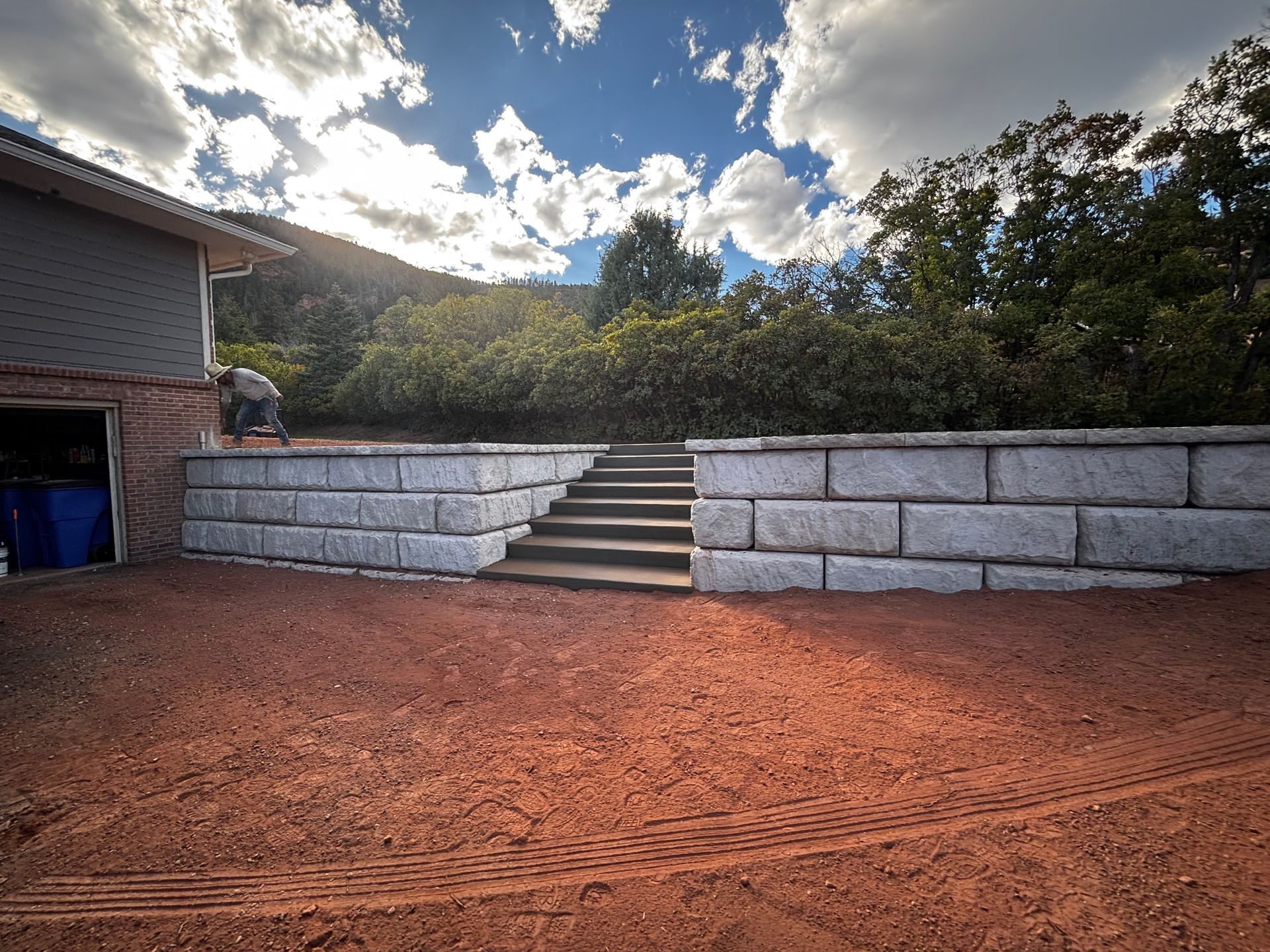
Concrete walkways can be designed with gentle slopes that reduce the need for steps. When slopes are gradual and consistent, they are easier to navigate and safer during winter conditions.
Key slope considerations include:
- Limiting steep inclines
- Using gradual transitions instead of abrupt drops
- Ensuring slopes drain water away from the walking surface
- Aligning walkways naturally with the landscape
Proper planning during installation is essential. Retrofitting slopes later is far more difficult than designing them correctly from the start.
Walkway Width and Layout for Comfort
Walkway width plays an important role in accessibility. Narrow paths can feel restrictive and unsafe, particularly for homeowners using mobility aids or walking side-by-side with others.
Wider concrete walkways provide:
- Better balance and stability
- Easier navigation for walkers or wheelchairs
- Reduced risk of stepping off edges
- A more welcoming appearance
Layout also matters. Clear, direct paths with gentle curves are easier to follow than tight turns or irregular shapes. Walkways should feel intuitive, guiding movement naturally without obstacles.
For retired homeowners, simplicity and predictability in layout often matter more than decorative complexity.
Reducing Trip Hazards Through Proper Construction
Trip hazards are a major concern in older walkways. Cracks, uneven slabs, and shifting edges increase the risk of falls and make walking uncomfortable.
Professional concrete installation helps minimize these issues through proper base preparation, reinforcement, and joint placement. Control joints allow concrete to crack in predictable locations, reducing uneven surfaces.
Walkway construction best practices include:
- Stable, well-compacted base materials
- Consistent slab thickness
- Proper joint spacing to manage movement
- Smooth transitions between adjacent surfaces
Preventing trip hazards starts with quality workmanship and thoughtful design.
Lighting and Visibility Along Walkways
Visibility is another important factor in walkway safety, especially during early mornings and evenings. While lighting is not part of the concrete itself, walkway design should account for visibility needs.
Concrete walkways with clear edges, consistent color, and simple layouts are easier to see and navigate. Avoiding busy patterns or dramatic color changes can reduce visual confusion.
Safety-focused walkway planning often includes:
- Clear definition between the walkway and landscaping
- Even surface coloration
- Space for future lighting installation if needed
Visibility supports confidence and independence, particularly for retired homeowners.
Winter Performance and Maintenance Considerations
In Castle Rock and Denver, winter conditions place extra demands on concrete walkways. Snow, ice, and deicing products can all affect safety and surface conditions.
Slip-resistant finishes perform better when wet or icy, but maintenance still matters. Prompt snow removal and appropriate deicing practices help protect both safety and concrete longevity.
Winter maintenance considerations include:
- Using concrete-safe deicers
- Avoiding metal shovels that damage surfaces
- Maintaining drainage to prevent refreezing
- Sealing concrete to reduce moisture absorption
Designing walkways with winter performance in mind reduces stress during colder months.
When to Repair or Replace an Existing Walkway
Many retired homeowners wonder whether existing walkways can be improved or if replacement is necessary. The answer depends on the condition of the concrete and the severity of accessibility issues.
Minor cracks or surface wear may be addressed through repair or resurfacing. However, widespread cracking, uneven settling, or steep slopes often indicate the need for replacement.
Professional planning and inspection services help determine the safest and most cost-effective approach. Addressing problems early can prevent more serious issues later.
How Creteworx Supports Safe and Accessible Walkways
Creteworx provides professional concrete services to homeowners in Castle Rock, CO, and surrounding Denver communities, including walkways, sidewalks, driveways, patios, stamped concrete, concrete coatings, and planning and inspection services. Their team focuses on durable construction, thoughtful layout, and solutions that match each homeowner’s needs.
For retired homeowners, Creteworx emphasizes clear communication, careful planning, and practical design. Their planning and inspection services ensure walkways are built with safety, accessibility, and long-term performance in mind.
Common Questions About Accessible Concrete Walkways
Are residential walkways required to be ADA compliant?
Private homes are not required to follow ADA standards, but many of the same design principles improve safety and usability.
What is the safest concrete finish for walkways?
Broom-finished concrete and exposed aggregate are both excellent slip-resistant options.
Can an existing walkway be made safer without full replacement?
In some cases, yes. Repairs, surface treatments, or adjustments may improve safety, but severe issues often require replacement.
How long do concrete walkways last in Colorado?
With proper installation and maintenance, concrete walkways can last several decades.
Key Takeaways for Safer Concrete Walkways
- Walkway safety supports independence and confidence
- Slip-resistant finishes reduce fall risk
- Gentle slopes and wider paths improve accessibility
- Proper construction minimizes trip hazards
- Planning for winter conditions is essential
- Professional guidance ensures long-term safety
Safe, accessible concrete walkways are an investment in comfort and peace of mind.
Creteworx proudly serves Castle Rock, CO, and the greater Denver area with professional concrete services designed to improve safety, accessibility, and durability. If you are considering updating or replacing concrete walkways to better support comfort and mobility, contact Creteworx to schedule a consultation and learn how thoughtful concrete design can enhance your home.


